

What happened
Report Provider: mint (WSJ)
Published At: 2025-08-10 15:30:12
Topic: Artificial Intelligence, Hedge Funds, Stock Picking, AI Technology
Leopold Aschenbrenner emerged last year as a precocious artificial-intelligence influencer after publishing a widely read manifesto. Then he decided to try his hand at stock picking. The 23-year-old with no professional investing experience quickly raised more money for a hedge fund than most pedigreed portfolio managers can when they strike out on their own.
As valuations of Nvidia, OpenAI and other artificial-intelligence companies continue to soar, so do investments in hedge funds hoping to ride the AI wave. Aschenbrenner’s San Francisco-based firm, Situational Awareness, now manages more than $1.5 billion, according to people familiar with the matter.
He has described the firm as a “brain trust on AI." His strategy involves betting on global stocks that stand to benefit from the development of AI technology, such as semiconductor, infrastructure and power companies, along with investments in a few startups, including Anthropic. He told investors he plans to offset those with smaller short bets on industries that could get left behind.
Situational Awareness gained 47% after fees in the first half of the year, one of the people said. In the same period, the S&P 500 gained about 6%, including dividends, while an index of tech hedge funds compiled by research firm PivotalPath gained about 7%. Aschenbrenner, a native of Germany, briefly worked as a researcher at OpenAI before being pushed out.
He named Situational Awareness after the 165-page essay he wrote about the promise and risks of artificial superintelligence. He recruited Carl Shulman, another AI intellectual who used to work at Peter Thiel’s macro hedge fund, as director of research. The firm’s backers include Patrick and John Collison, the billionaire brothers who founded payments company Stripe, as well as Daniel Gross and Nat Friedman, whom Mark Zuckerberg recently recruited to help run Meta’s AI efforts.
Graham Duncan, a well-known investor who organizes the Sohn Investment Conference, is an adviser. “We’re going to have way more situational awareness than any of the people who manage money in New York," Aschenbrenner told podcaster Dwarkesh Patel last year. “We’re definitely going to do great on investing."
In another sign of the demand for Aschenbrenner’s services, many investors agreed to lock up their money with him for years. Other recent launches include an AI-focused hedge fund from Value Aligned Research Advisors, a Princeton, N.J.-based investment firm founded by former quants Ben Hoskin and David Field.
The fund, launched in March, has already amassed about $1 billion in assets, a person familiar with it said. VAR also manages about $2 billion in other AI-focused investment strategies. VAR’s investors have included the philanthropic foundation of Facebook co-founder Dustin Moskovitz, according to regulatory filings reviewed by fund-data tracker Old Well Labs.
Veteran hedge-fund firms are entering the fray, too. Last year, Steve Cohen tapped one of his portfolio managers at Point72 Asset Management, Eric Sanchez, to start an AI-focused hedge fund that Cohen planned to stake with $150 million of his own money. Assets at the fund, called Turion—after AI theorist Alan Turing—now exceed $2 billion, people familiar with the matter said.
Turion is up about 11% this year through July after it gained about 7% last month, the people said. It is no surprise that thematic funds are springing up to capitalize on the AI frenzy. In years past, hedge funds that specialized in the transition to clean energy and investing with an environmental, social and corporate-governance lens proliferated in response to client demand.
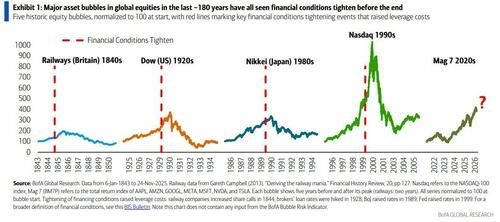
Identifying a winning theme isn’t the same thing as trading it well. Investors’ tastes can be fickle; many prominent ESG hedge funds have either shrunk or gone out of business. The market swoon that followed the January release of an advanced, low-cost language model from Chinese company DeepSeek showed the fragility of the valuations of AI winners, though the market has roared back since then.
AI-focused investors argue the long-term trend of development and adoption are inevitable, even if there are bumps along the way. With only so many publicly traded companies that operate in the AI-adjacent economy today, stock picking funds often pile into the same positions as one another and more generalist hedge funds.
Vistra, a power producer that supplies the juice to AI data centers, was a top-three U.S. position of both Situational Awareness and VAR Advisors as of March 31, according to their most recent securities filings. Other hedge-fund managers are debuting funds to make investments in privately held AI companies and startups.
Gavin Baker’s Atreides Management teamed up with Valor Equity Partners to launch a venture-capital fund earlier this year that has raised millions from investors including Oman’s sovereign-wealth fund. Each firm separately invested in Elon Musk’s xAI. At least one portfolio manager is planning an AI hedge fund as a comeback vehicle.
Sean Ma wound down his Hong Kong-based firm, Snow Lake Capital, after it agreed to pay about $2.8 million to settle Securities and Exchange Commission charges last year that the firm participated in stock offerings of companies that it had also bet against. Ma took over an investment firm called M37 Management in Menlo Park, Calif.
, earlier this year. He is currently fundraising for a hedge fund focused on AI software and hardware.
Source coverage
Report Provider: mint (WSJ)
Published At: 2025-08-10 15:30:12
Deeper analysis
Full source content
Leopold Aschenbrenner emerged last year as a precocious artificial-intelligence influencer after publishing a widely read manifesto. Then he decided to try his hand at stock picking. The 23-year-old with no professional investing experience quickly raised more money for a hedge fund than most pedigreed portfolio managers can when they strike out on their own.
As valuations of Nvidia, OpenAI and other artificial-intelligence companies continue to soar, so do investments in hedge funds hoping to ride the AI wave. Aschenbrenner’s San Francisco-based firm, Situational Awareness, now manages more than $1.5 billion, according to people familiar with the matter.
He has described the firm as a “brain trust on AI." His strategy involves betting on global stocks that stand to benefit from the development of AI technology, such as semiconductor, infrastructure and power companies, along with investments in a few startups, including Anthropic. He told investors he plans to offset those with smaller short bets on industries that could get left behind.
Situational Awareness gained 47% after fees in the first half of the year, one of the people said. In the same period, the S&P 500 gained about 6%, including dividends, while an index of tech hedge funds compiled by research firm PivotalPath gained about 7%. Aschenbrenner, a native of Germany, briefly worked as a researcher at OpenAI before being pushed out.
He named Situational Awareness after the 165-page essay he wrote about the promise and risks of artificial superintelligence. He recruited Carl Shulman, another AI intellectual who used to work at Peter Thiel’s macro hedge fund, as director of research. The firm’s backers include Patrick and John Collison, the billionaire brothers who founded payments company Stripe, as well as Daniel Gross and Nat Friedman, whom Mark Zuckerberg recently recruited to help run Meta’s AI efforts.
Graham Duncan, a well-known investor who organizes the Sohn Investment Conference, is an adviser. “We’re going to have way more situational awareness than any of the people who manage money in New York," Aschenbrenner told podcaster Dwarkesh Patel last year. “We’re definitely going to do great on investing."
In another sign of the demand for Aschenbrenner’s services, many investors agreed to lock up their money with him for years. Other recent launches include an AI-focused hedge fund from Value Aligned Research Advisors, a Princeton, N.J.-based investment firm founded by former quants Ben Hoskin and David Field.
The fund, launched in March, has already amassed about $1 billion in assets, a person familiar with it said. VAR also manages about $2 billion in other AI-focused investment strategies. VAR’s investors have included the philanthropic foundation of Facebook co-founder Dustin Moskovitz, according to regulatory filings reviewed by fund-data tracker Old Well Labs.
Veteran hedge-fund firms are entering the fray, too. Last year, Steve Cohen tapped one of his portfolio managers at Point72 Asset Management, Eric Sanchez, to start an AI-focused hedge fund that Cohen planned to stake with $150 million of his own money. Assets at the fund, called Turion—after AI theorist Alan Turing—now exceed $2 billion, people familiar with the matter said.
Turion is up about 11% this year through July after it gained about 7% last month, the people said. It is no surprise that thematic funds are springing up to capitalize on the AI frenzy. In years past, hedge funds that specialized in the transition to clean energy and investing with an environmental, social and corporate-governance lens proliferated in response to client demand.
Identifying a winning theme isn’t the same thing as trading it well. Investors’ tastes can be fickle; many prominent ESG hedge funds have either shrunk or gone out of business. The market swoon that followed the January release of an advanced, low-cost language model from Chinese company DeepSeek showed the fragility of the valuations of AI winners, though the market has roared back since then.
AI-focused investors argue the long-term trend of development and adoption are inevitable, even if there are bumps along the way. With only so many publicly traded companies that operate in the AI-adjacent economy today, stock picking funds often pile into the same positions as one another and more generalist hedge funds.
Vistra, a power producer that supplies the juice to AI data centers, was a top-three U.S. position of both Situational Awareness and VAR Advisors as of March 31, according to their most recent securities filings. Other hedge-fund managers are debuting funds to make investments in privately held AI companies and startups.
Gavin Baker’s Atreides Management teamed up with Valor Equity Partners to launch a venture-capital fund earlier this year that has raised millions from investors including Oman’s sovereign-wealth fund. Each firm separately invested in Elon Musk’s xAI. At least one portfolio manager is planning an AI hedge fund as a comeback vehicle.
Sean Ma wound down his Hong Kong-based firm, Snow Lake Capital, after it agreed to pay about $2.8 million to settle Securities and Exchange Commission charges last year that the firm participated in stock offerings of companies that it had also bet against. Ma took over an investment firm called M37 Management in Menlo Park, Calif.
, earlier this year. He is currently fundraising for a hedge fund focused on AI software and hardware.
How this page is built
Goose Pod turns cited reporting into a public episode summary first, then pairs that summary with audio playback so listeners can check the source material before they decide how deeply to engage.
The goal is to make this page useful as a news landing page first, while still giving listeners transcript access, related episodes, and direct links back to the original publishers.