
What happened
This report from BBC Guernsey political reporter John Fernandez details how residents in Guernsey and Jersey are coping with the rising cost of living. The article highlights the impact of inflation on everyday life, particularly concerning food and housing expenses, and explores the differing economic situations...
Key Findings and Statistics:
Personal Accounts and Concerns:
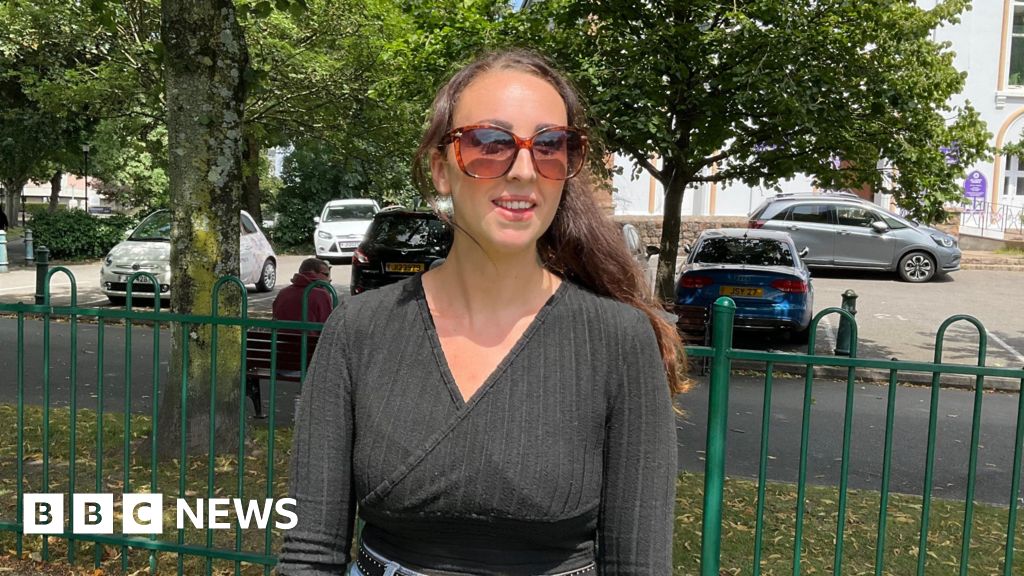
How are islanders coping with the cost of living?John FernandezBBC Guernsey political reporterBBCSarah Aubert says she has noticed the price of food and suncream rising recently"I have three children and it is really hard to support your family at the moment."Jersey mother-of-three Sarah Aubert said she was sometimes skipping meals to make sure her children could eat well because of recent increases in prices.
Prices are continuing to rise in Jersey at a faster rate than earlier this year, with the latest figures showing inflation was 2.6%, while in Guernsey the rate of increase has slowed - but is higher than Jersey, at 3.9%. According to some local economists, the disparity between the islands is partly down to the higher costs of rental properties in Guernsey.
Construction worker Luke Jackson blamed high rents in Guernsey on States relocation grants. He said: "Locals can't compete. It's got to the point now where we're second-class citizens in our own island."Last year, the States paid £4,757,453 to assist staff moving to the island, compared to £1,437,450 in 2018.
Economist and Deputy Andy Sloan agreed that relocation grants had led to a steep increase in rental prices locally. Luke Jackson blamed the recent jump in rental prices on relocation grants from the StatesIn Guernsey, stats from the States showed average local market rents were £2,068 a month in the first quarter of 2025 - 1.
5% higher than the previous quarter; 8.2% higher than the first quarter of 2024 and 51.7% higher than five years ago.In Jersey, rents have remained stable for the past six months, with the average price of a one-bedroom house £1,300 per month, according to the States of Jersey. Food inflationIn Jersey, one of the big drivers of the island's inflation rate is the rate at which the price of food has increased in recent months - 4.
1% between the end of March and June. In Guernsey, food has not been singled out as one of the big drivers behind prices increasing, that is housing costs and tobacco, but the price of food has increased by 3.9% in the past three months. Ms Aubert said: "Suncream in the shops is so expensive; fillings for sandwiches, like pack lunch stuff, it's even like snack bars, and cereal, I would say too it is really expensive."
So it is really hard, but we try and just balance it out now and just take away things that you know we used to have as luxuries."For new mother Chantelle Bearder in Guernsey, it is a similar balancing act.Mother-of-one Chantelle Bearder has changed her shopping habits because of increasing pricesShe said she had taken time off to look after her daughter, which meant her husband was the sole source of income.
She said: "Obviously I'm out of work at the moment, looking after my little one, because work versus childcare is the balance. "There is a lot more to balance when you are living off one wage. There is a lot more I'm having to think about, like what is affordable to buy versus what is then also going in the bin."
The BBC contacted the States of Guernsey on Tuesday to ask what it was doing to assist people with the cost of living crisis locally. So far, there has been no response. In Jersey, Minister for Social Security, Deputy Lyndsay Feltham said she appreciated the impact the cost of living was having on families.
To support people with the cost of living crisis, Feltham said the States was "transitioning towards a living wage, with the first step made in April when the minimum wage increased to £13". She added: "There is also help available through income support, with rates increasing by 8.6% in 2024 and again by 4% this January."
The Minister for Treasury and Resources Deputy Elaine Millar added: "It is a slight concern to see inflation rising once more, but we're thankful that the numbers remain relatively low compared to recent years."'Causing enormous stress'The Family Nursing and Home Care, Brighter Futures and the Jersey Child Care Trust told a sub-panel of the health and social security panel that one in five families were struggling to make ends meet.
Deputy Louise Doublet said she was "extremely concerned" by the levels of child poverty in the island.She said: "It's causing enormous stress to some families with some parents having to tag-team their parenting with one working at night and then switching over and the other working in the daytime."
It's meaning that families don't have time together and they can't relax and be together as a family."Nausheena Nackwa's family have noticed the increasing price of groceries compared to their native South AfricaEvery Tuesday, Bright Beginnings Children Centre in St Sampson's hosts a free stay-and-play session for parents at a loose end as to what to do with their little ones.
New mother Nausheena Nackwa was there with her six-month-old daughter. She said: "We have only been here for two years, but we've seen a noticeable increase in prices. "The price of food has increased, and daycare costs too, which is serious for us as we do not have a support system over here, so we will have to rely on daycare.
"Then, of course, there is the actual housing situation - that is the other real big cost that really gets us."On Guernsey's High Street, the cost of housing came up as one of the biggest concerns for people living on the islandHospitality worker Sheikh Sakib, who recently had his first child in Guernsey, said: "The rental costs are bad here."
On Guernsey's High Street, he said his biggest overhead every month was his rent.He said: "The grocery costs is getting increasing, as well as rent, but the biggest expense is always rent."I have seen some of the places in London cheaper than here. Especially when I went to Edinburgh: I found a three-bedroom flat in the city centre, £1,200."
Carl Walker said he wanted shops to help peopleHe said: "Outside of the city is £700 or £900. "But, in Guernsey, you can see for a two-bedroom flat it needs to be at least £2,000, plus the bills and other things."The Consumer Council, which campaigns for shoppers in Jersey, said it had asked local supermarkets to give better discounts on basic food supplies.
Carl Walker said he wanted shops to help people."We recently met with one of the large supermarkets, we quizzed them about their prices and why some of them move and we also put pressure on them to try and ensure that any discounts that they're offering are not only genuine discounts, but targeted discounts on those everyday essentials," he said.
Source coverage
This report from BBC Guernsey political reporter John Fernandez details how residents in Guernsey and Jersey are coping with the rising cost of living. The article highlights the impact of inflation on everyday life, particularly concerning food and housing expenses, and explores the differing economic situations...
Key Findings and Statistics:
Deeper analysis
Full source content
How are islanders coping with the cost of living?John FernandezBBC Guernsey political reporterBBCSarah Aubert says she has noticed the price of food and suncream rising recently"I have three children and it is really hard to support your family at the moment."Jersey mother-of-three Sarah Aubert said she was sometimes skipping meals to make sure her children could eat well because of recent increases in prices.
Prices are continuing to rise in Jersey at a faster rate than earlier this year, with the latest figures showing inflation was 2.6%, while in Guernsey the rate of increase has slowed - but is higher than Jersey, at 3.9%. According to some local economists, the disparity between the islands is partly down to the higher costs of rental properties in Guernsey.
Construction worker Luke Jackson blamed high rents in Guernsey on States relocation grants. He said: "Locals can't compete. It's got to the point now where we're second-class citizens in our own island."Last year, the States paid £4,757,453 to assist staff moving to the island, compared to £1,437,450 in 2018.
Economist and Deputy Andy Sloan agreed that relocation grants had led to a steep increase in rental prices locally. Luke Jackson blamed the recent jump in rental prices on relocation grants from the StatesIn Guernsey, stats from the States showed average local market rents were £2,068 a month in the first quarter of 2025 - 1.
5% higher than the previous quarter; 8.2% higher than the first quarter of 2024 and 51.7% higher than five years ago.In Jersey, rents have remained stable for the past six months, with the average price of a one-bedroom house £1,300 per month, according to the States of Jersey. Food inflationIn Jersey, one of the big drivers of the island's inflation rate is the rate at which the price of food has increased in recent months - 4.
1% between the end of March and June. In Guernsey, food has not been singled out as one of the big drivers behind prices increasing, that is housing costs and tobacco, but the price of food has increased by 3.9% in the past three months. Ms Aubert said: "Suncream in the shops is so expensive; fillings for sandwiches, like pack lunch stuff, it's even like snack bars, and cereal, I would say too it is really expensive."
So it is really hard, but we try and just balance it out now and just take away things that you know we used to have as luxuries."For new mother Chantelle Bearder in Guernsey, it is a similar balancing act.Mother-of-one Chantelle Bearder has changed her shopping habits because of increasing pricesShe said she had taken time off to look after her daughter, which meant her husband was the sole source of income.
She said: "Obviously I'm out of work at the moment, looking after my little one, because work versus childcare is the balance. "There is a lot more to balance when you are living off one wage. There is a lot more I'm having to think about, like what is affordable to buy versus what is then also going in the bin."
The BBC contacted the States of Guernsey on Tuesday to ask what it was doing to assist people with the cost of living crisis locally. So far, there has been no response. In Jersey, Minister for Social Security, Deputy Lyndsay Feltham said she appreciated the impact the cost of living was having on families.
To support people with the cost of living crisis, Feltham said the States was "transitioning towards a living wage, with the first step made in April when the minimum wage increased to £13". She added: "There is also help available through income support, with rates increasing by 8.6% in 2024 and again by 4% this January."
The Minister for Treasury and Resources Deputy Elaine Millar added: "It is a slight concern to see inflation rising once more, but we're thankful that the numbers remain relatively low compared to recent years."'Causing enormous stress'The Family Nursing and Home Care, Brighter Futures and the Jersey Child Care Trust told a sub-panel of the health and social security panel that one in five families were struggling to make ends meet.
Deputy Louise Doublet said she was "extremely concerned" by the levels of child poverty in the island.She said: "It's causing enormous stress to some families with some parents having to tag-team their parenting with one working at night and then switching over and the other working in the daytime."
It's meaning that families don't have time together and they can't relax and be together as a family."Nausheena Nackwa's family have noticed the increasing price of groceries compared to their native South AfricaEvery Tuesday, Bright Beginnings Children Centre in St Sampson's hosts a free stay-and-play session for parents at a loose end as to what to do with their little ones.
New mother Nausheena Nackwa was there with her six-month-old daughter. She said: "We have only been here for two years, but we've seen a noticeable increase in prices. "The price of food has increased, and daycare costs too, which is serious for us as we do not have a support system over here, so we will have to rely on daycare.
"Then, of course, there is the actual housing situation - that is the other real big cost that really gets us."On Guernsey's High Street, the cost of housing came up as one of the biggest concerns for people living on the islandHospitality worker Sheikh Sakib, who recently had his first child in Guernsey, said: "The rental costs are bad here."
On Guernsey's High Street, he said his biggest overhead every month was his rent.He said: "The grocery costs is getting increasing, as well as rent, but the biggest expense is always rent."I have seen some of the places in London cheaper than here. Especially when I went to Edinburgh: I found a three-bedroom flat in the city centre, £1,200."
Carl Walker said he wanted shops to help peopleHe said: "Outside of the city is £700 or £900. "But, in Guernsey, you can see for a two-bedroom flat it needs to be at least £2,000, plus the bills and other things."The Consumer Council, which campaigns for shoppers in Jersey, said it had asked local supermarkets to give better discounts on basic food supplies.
Carl Walker said he wanted shops to help people."We recently met with one of the large supermarkets, we quizzed them about their prices and why some of them move and we also put pressure on them to try and ensure that any discounts that they're offering are not only genuine discounts, but targeted discounts on those everyday essentials," he said.
How this page is built
Goose Pod turns cited reporting into a public episode summary first, then pairs that summary with audio playback so listeners can check the source material before they decide how deeply to engage.
The goal is to make this page useful as a news landing page first, while still giving listeners transcript access, related episodes, and direct links back to the original publishers.