
What happened
Report Provider: The Guardian
Author: Tom Perkins
Published Date: August 14, 2025
A draft executive order from Donald Trump that aims to largely exempt space launches from environmental review is viewed as a gift to commercial space industry players such as Elon Musk, Jeff Bezos and others who have long targeted the regulations.But its central components may be illegal and the US president “is trying to do an end run around” on the law, said Jared Margolis, an attorney with the Center for Biological Diversity, which has litigated environmental issues around launches.
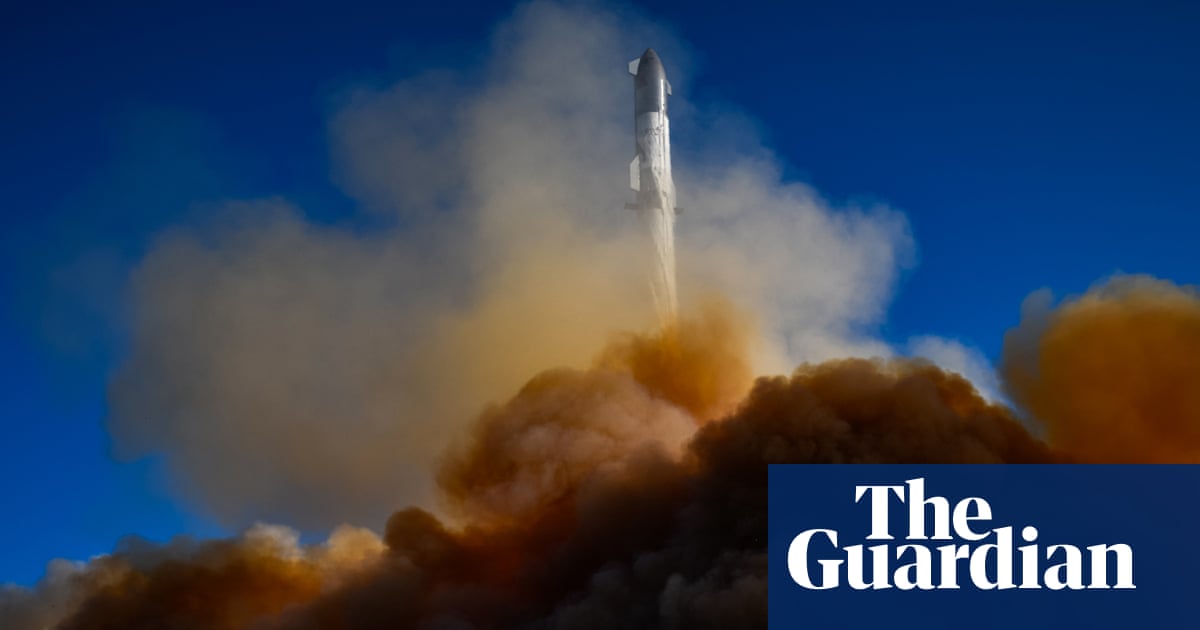
If successfully implemented, the launches could create an environmental disaster, advocates say. Rocket launches create a massive amount of pollution that can contaminate local waterways and air with high levels of mercury, Pfas, particulate matter, and other highly toxic substances. The vibration, sound waves, heat and explosions damage habitat and kill wildlife, some of which are protected by the Endangered Species Act.
The executive order directs the US transportation department to “use all available authorities to eliminate or expedite” environmental reviews. Among the few protections during space launches is the National Environmental Policy Act (Nepa) review that considers a wide range of impacts on the environment and human health, and the Coastal Zone Management Act, a federal law that allows states to decide how coastlines are used.
The order targets both, and suggests the agency could attempt to circumvent the Endangered Species Act.“The order is directing the transportation department to do whatever they can to avoid Nepa, but it doesn’t mean that’s possible, or that they have the authority to do so,” Margolis said.The executive order comes at a time when commercial space activity is spiking.
Musk’s SpaceX, the largest space company, did 96 launches in 2023, and is targeting 180 this year. That number is expected to continue growing, while other players, like Bezos’s Blue Horizon, are quickly increasing launch rates.The US federal government’s environmental oversight of the launches has always been weak, public health advocates say.
The Trump administration quickly hobbled several of the few regulatory mechanisms that existed, and recently gutted funding for research into stratospheric pollution largely caused by Musk’s SpaceX.“We’re accelerating the number of launches and blinding ourselves to the follow up effects that they have on the environment – that spells disaster,” said a space industry employee who does work around Nepa issues, but requested anonymity to talk about the order without retribution.
Space companies must obtain a launch permit from the Federal Aviation Administration (FAA), which does a Nepa review as part of the process. The reviews are the framework by which federal agencies should assess a project’s environmental or human health risks.They take into consideration air pollution, endangered species harms, water pollution, wildfire risk, noise pollution and potential human health risks, among other issues.
The FAA has faced criticism from space companies for taking too long to review launch permits – about five months – while environmental groups have lambasted the agency for not using Nepa reviews to require more protections at launch sites.The executive order in part directs the department to classify the launches as “categorical exclusions”, which is the legal term for minor changes to a site that do not require a Nepa environmental review.
Among other categorical exclusions are landscaping or lighting alterations.Legal experts who reviewed the order questioned the legality of the claim that a rocket launch has similar environmental impacts as landscaping changes.The plan “fits with their overall desire to eliminate environmental considerations and reviews,” said Dan Farber, an environmental law attorney with the University of California, Berkeley.
“Clearly what Trump wants to do is bulldoze through all this procedural stuff,” Farber added.However, there is a more legally plausible route. The Commercial Space Launch Act does include a provision that allows the transportation secretary to attempt to exempt requirements of environmental law if it is determined that the law is not necessary to protect the “public health and the safety of property”, Margolis said.
That would be accomplished through a legal rulemaking process.But the provision is in conflict with Nepa, which applies to any federal action that has significant environmental impact, Margolis said.“We would argue that review is necessary to protect public health and safety, and Nepa applies,” he added.
The Nepa reviews provide a valuable legal avenue for challenges to the worst abuses, and Margolis said the order seems to be a response to arguments he made in which the Center for Biological Diversity sued several federal agencies and SpaceX over launches from the Boca Chica, Texas launch site on the Gulf of Mexico.
The site sits next to a sensitive habitat for protected species, like the Kemp’s ridley sea turtle, which is on the brink of extinction. SpaceX has launched the largest rockets ever made from the site, and several of those exploded, raining down particulate matter, metal and concrete across the region.
The debris caused brush fires and covered homes six miles away in dust.Soundwaves from launches have been known to kill birds and other animals, and SpaceX has been cited by state environmental regulators in Texas for spitting wastewater highly contaminated with mercury into adjacent waters.Still, the FAA has done little to mitigate the damage to the environment, and claimed the issues did not warrant an in depth review.
Margolis said SpaceX, with the FAA’s blessing, had turned the ecologically sensitive area into a “sacrifice zone”, and the litigation is ongoing.The order also seems designed to aid Musk in his fight with California state regulators who have so far stopped SpaceX from expanding the number of launches along the coastline, in part using their authority under the Coastal Zone Management Act.
Trump’s order would give federal authorities more power to intervene, and restrict state agencies’ decision-making powers.Margolis said this part of the order is also illegal because Trump is again attempting to change the law by decree.“It’s a talking point to show he’s supporting industry, but at the end of the day it’s not something that can happen the way he says it can happen,” Margolis said.
Source coverage
Report Provider: The Guardian
Author: Tom Perkins
Deeper analysis
Full source content
A draft executive order from Donald Trump that aims to largely exempt space launches from environmental review is viewed as a gift to commercial space industry players such as Elon Musk, Jeff Bezos and others who have long targeted the regulations.But its central components may be illegal and the US president “is trying to do an end run around” on the law, said Jared Margolis, an attorney with the Center for Biological Diversity, which has litigated environmental issues around launches.
If successfully implemented, the launches could create an environmental disaster, advocates say. Rocket launches create a massive amount of pollution that can contaminate local waterways and air with high levels of mercury, Pfas, particulate matter, and other highly toxic substances. The vibration, sound waves, heat and explosions damage habitat and kill wildlife, some of which are protected by the Endangered Species Act.
The executive order directs the US transportation department to “use all available authorities to eliminate or expedite” environmental reviews. Among the few protections during space launches is the National Environmental Policy Act (Nepa) review that considers a wide range of impacts on the environment and human health, and the Coastal Zone Management Act, a federal law that allows states to decide how coastlines are used.
The order targets both, and suggests the agency could attempt to circumvent the Endangered Species Act.“The order is directing the transportation department to do whatever they can to avoid Nepa, but it doesn’t mean that’s possible, or that they have the authority to do so,” Margolis said.The executive order comes at a time when commercial space activity is spiking.
Musk’s SpaceX, the largest space company, did 96 launches in 2023, and is targeting 180 this year. That number is expected to continue growing, while other players, like Bezos’s Blue Horizon, are quickly increasing launch rates.The US federal government’s environmental oversight of the launches has always been weak, public health advocates say.
The Trump administration quickly hobbled several of the few regulatory mechanisms that existed, and recently gutted funding for research into stratospheric pollution largely caused by Musk’s SpaceX.“We’re accelerating the number of launches and blinding ourselves to the follow up effects that they have on the environment – that spells disaster,” said a space industry employee who does work around Nepa issues, but requested anonymity to talk about the order without retribution.
Space companies must obtain a launch permit from the Federal Aviation Administration (FAA), which does a Nepa review as part of the process. The reviews are the framework by which federal agencies should assess a project’s environmental or human health risks.They take into consideration air pollution, endangered species harms, water pollution, wildfire risk, noise pollution and potential human health risks, among other issues.
The FAA has faced criticism from space companies for taking too long to review launch permits – about five months – while environmental groups have lambasted the agency for not using Nepa reviews to require more protections at launch sites.The executive order in part directs the department to classify the launches as “categorical exclusions”, which is the legal term for minor changes to a site that do not require a Nepa environmental review.
Among other categorical exclusions are landscaping or lighting alterations.Legal experts who reviewed the order questioned the legality of the claim that a rocket launch has similar environmental impacts as landscaping changes.The plan “fits with their overall desire to eliminate environmental considerations and reviews,” said Dan Farber, an environmental law attorney with the University of California, Berkeley.
“Clearly what Trump wants to do is bulldoze through all this procedural stuff,” Farber added.However, there is a more legally plausible route. The Commercial Space Launch Act does include a provision that allows the transportation secretary to attempt to exempt requirements of environmental law if it is determined that the law is not necessary to protect the “public health and the safety of property”, Margolis said.
That would be accomplished through a legal rulemaking process.But the provision is in conflict with Nepa, which applies to any federal action that has significant environmental impact, Margolis said.“We would argue that review is necessary to protect public health and safety, and Nepa applies,” he added.
The Nepa reviews provide a valuable legal avenue for challenges to the worst abuses, and Margolis said the order seems to be a response to arguments he made in which the Center for Biological Diversity sued several federal agencies and SpaceX over launches from the Boca Chica, Texas launch site on the Gulf of Mexico.
The site sits next to a sensitive habitat for protected species, like the Kemp’s ridley sea turtle, which is on the brink of extinction. SpaceX has launched the largest rockets ever made from the site, and several of those exploded, raining down particulate matter, metal and concrete across the region.
The debris caused brush fires and covered homes six miles away in dust.Soundwaves from launches have been known to kill birds and other animals, and SpaceX has been cited by state environmental regulators in Texas for spitting wastewater highly contaminated with mercury into adjacent waters.Still, the FAA has done little to mitigate the damage to the environment, and claimed the issues did not warrant an in depth review.
Margolis said SpaceX, with the FAA’s blessing, had turned the ecologically sensitive area into a “sacrifice zone”, and the litigation is ongoing.The order also seems designed to aid Musk in his fight with California state regulators who have so far stopped SpaceX from expanding the number of launches along the coastline, in part using their authority under the Coastal Zone Management Act.
Trump’s order would give federal authorities more power to intervene, and restrict state agencies’ decision-making powers.Margolis said this part of the order is also illegal because Trump is again attempting to change the law by decree.“It’s a talking point to show he’s supporting industry, but at the end of the day it’s not something that can happen the way he says it can happen,” Margolis said.
How this page is built
Goose Pod turns cited reporting into a public episode summary first, then pairs that summary with audio playback so listeners can check the source material before they decide how deeply to engage.
The goal is to make this page useful as a news landing page first, while still giving listeners transcript access, related episodes, and direct links back to the original publishers.