
Elon
Good morning Norris, I'm Elon, and this is Goose Pod for you. Today is Wednesday, November 12th. We're diving into a tectonic shift in technology.
Morgan Freedman
Indeed. I'm Morgan Freedman. We are here to discuss a multi-billion-dollar sale that may signal Europe's declining control over its own technological future. It's a quiet sale with very loud implications.
Elon
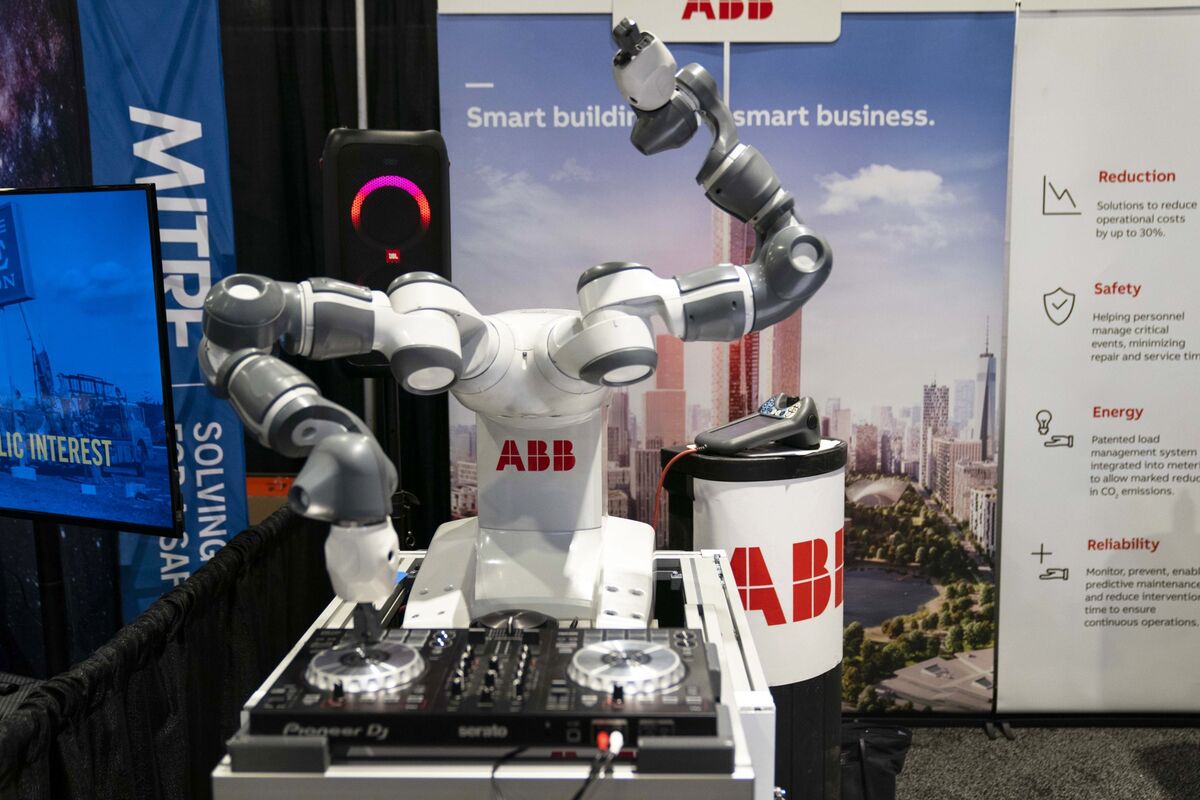
Exactly. SoftBank just dropped $5.4 billion to acquire the robotics unit from Swiss conglomerate ABB. Masayoshi Son is heralding a new era of “physical AI.” This isn't just software anymore; we're talking about intelligence you can see, touch, and that can build things. It's a game-changer.
Morgan Freedman
And it raises a profound question. For decades, Europe has been a titan in this field, home to giants like ABB and Kuka. Yet, this sale suggests the continent is becoming a seller, not a leader, in the next robot revolution, while Asia and the U.S. drive forward.
Elon
It's a classic innovator's dilemma. Europe is focusing on regulation, perfecting the rules of the last game, while others are creating the next one. This isn't just about one company; it signals a massive loss of control in the AI race, which is the most important race of this century.
Morgan Freedman
I've often found that the most significant moments in history are not the loud battles, but the quiet transactions that redirect the future. By 2026, when this deal closes, SoftBank won't just own a company; it will have established itself as a leader in industrial robotics.
Elon
Let’s break down the strategy. SoftBank isn’t just buying hardware. They see this as a pillar for their mission to create Artificial Super Intelligence. They're fusing ABB's world-class robotics platform with their own AI investments, like Arm and even OpenAI, to accelerate innovation. It's incredibly ambitious.
Morgan Freedman
And for ABB, the decision was a practical one. They had considered listing the robotics business separately. But SoftBank presented an offer that delivered more immediate value to their shareholders. It seems the allure of a $5.4 billion check outweighed the ambition of leading a European robotics powerhouse.
Elon
Money talks, and in this case, it's saying that the long-term, high-risk, high-reward R&D needed for next-gen AI robotics is better funded elsewhere. ABB is now focusing on its core—electrification and automation. It's a strategic retreat, framed as a smart business decision. They are optimizing the present.
Morgan Freedman
A costly optimization, perhaps. That robotics division, with its 7,000 employees, generated over two billion dollars in revenue last year. It was a significant piece of their operation. Now, it will be classified as a discontinued operation, a chapter closed in their books and, perhaps, for Europe's dominance.
Elon
This is the heart of the conflict. It's a global race, and there are really only two horses out in front: the United States and China. The U.S. has the talent, the massive private capital, and the disruptive culture. Look at the investment numbers, it's not even a close fight.
Morgan Freedman
While China possesses an incredible advantage in data and the full backing of its government, allowing for deployment and scaling at a speed that is difficult to comprehend. They are filing more than double the number of AI patents as the U.S. It is a true clash of titans.
Elon
And where is Europe in all this? It's becoming the world's AI watchdog, the ethicist-in-chief. They're crafting regulations like the AI Act. That's a noble role, but it doesn't build the future. It puts guardrails on the roads others are paving. It’s fundamentally a defensive posture.
Morgan Freedman
There is wisdom in caution. However, when you see that only 5% of global generative AI startup funding goes to Europe, you have to wonder if that caution is turning into paralysis. They risk regulating a technology they don't truly control or innovate in.
Elon
The impact is huge. We're talking about the erosion of technological sovereignty. Robotics is identified by analysts as a key "arena of tomorrow." Losing a foundational company like ABB's robotics division to a Japanese conglomerate means Europe is ceding ground in a critical future industry. It’s a strategic blunder.
Morgan Freedman
It changes the competitive landscape entirely. We think of nations competing with armies and trade, but the new arenas are AI, robotics, and semiconductors. When a region loses a champion in one of these arenas, its ability to shape its own economic destiny diminishes. It's a quiet drain of influence.
Elon
And it creates a dependency. Europe's advanced manufacturing sector will now be buying its next-generation robots from a company owned by SoftBank. The profits, the patents, the core innovations—they will flow to Asia, not back into the European ecosystem. This has long-term consequences for jobs and growth.
Elon
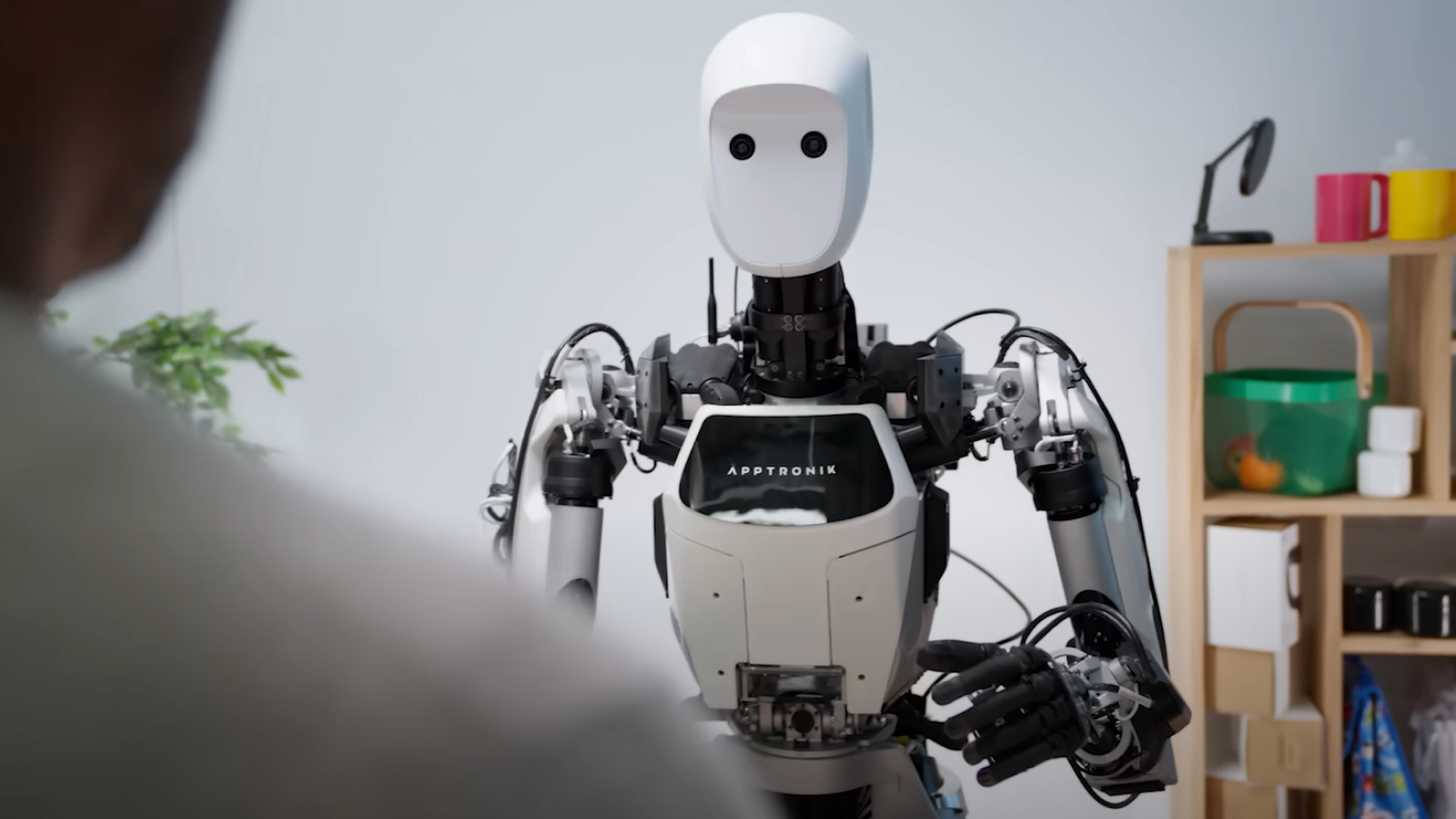
Looking forward, SoftBank is playing a long game. Their "Physical AI" strategy is about creating an ecosystem of intelligent machines. They're not just thinking about factory arms; they're envisioning humanoid robots integrated with AI, powered by their chip designs. This ABB acquisition is a massive piece of that puzzle.
Morgan Freedman
It suggests the future will be one of intense fusion between the digital and physical worlds. The advancements won't be confined to our screens. They will be in our homes, our hospitals, and our factories. SoftBank is positioning itself to be the architect of that integrated reality.
Elon
So, this $5.4 billion deal is far more than a business transaction. It's a clear signal of a global power shift in the technology that will define our future.
Morgan Freedman
That's the end of today's discussion. Thank you for listening to Goose Pod, Norris. See you tomorrow.