

What happened
Summary: "Songs from the Hole" - A Documentary on Prison, Music, and Forgiveness
News Title/Type: Film Review / Documentary Feature
Report Provider/Author: The Guardian / Adrian Horton
In 2014, a sergeant at a California state prison sent James “JJ’88” Jacobs, who was 25 at the time, to “the hole” – solitary confinement in a 6-by-6 cell. One bunk, one strip of a window. Jacobs had already been incarcerated for a decade by then; at 15, he was given a double life sentence for second-degree murder.
Alone in the hole, Jacobs thought, as he always did, about the most devastating month of his life, April 2004: on the 16th, he shot and killed a young man in Bellflower, California. Three days later, another young man shot and killed his beloved older brother Victor. For years, Jacobs was caught in a terrible cycle of grief – for what he had done, for what had been done to him.
In the hole, Jacobs would lie on the floor, eyes closed, and imagine his life outside prison. He’d make beats by pounding on his bunk or chest. A talented singer and rapper, he began to compose songs on notebook paper, along with treatments for imagined music videos. His lyrics that grappled with healing and reckoning – how to maintain self-worth in the face of devastating interpersonal and systemic violence, how to reconcile the worst thing you’ve ever done with your dignity as a human being.
The prison kept Jacobs in the hole for 2.5 months – far longer than the 15 days the United Nations recognizes as torture. “Being in here, death always feels imminent,” Jacobs says in a recorded prison phone call at the beginning of the remarkable new documentary Songs from the Hole. “I have to manufacture hope.
And the way I manufacture hope is by writing music.”Jacobs eventually managed to record rough demos of his tracks as JJ’88 and, a few years later, played some of them for Contessa Gayles, a documentary director then filming The Feminist on Cellblock Y at the prison. Jacobs and his co-facilitator of a prison reading group, richie reseda, “had a keyboard on a trash can in the corner of the gym – richie was on the keys and 88 was singing and rapping”, Gayles recalled recently.
“I just saw how incredibly talented they were and how beautiful and intimate the storytelling was in 88’s lyrics.” The three stayed in touch, and once reseda was released, began working on an idea, finally realizing a music video or two based on Jacobs’s original treatments.The result is Songs from the Hole, a deeply moving and unconventional documentary that weaves Jacobs’s musical visions first developed in solitary – bits of his handwritten “first drafts/treatments for the visual album” appear on screen – with more traditional narrative footage of his life and loved ones outside prison.
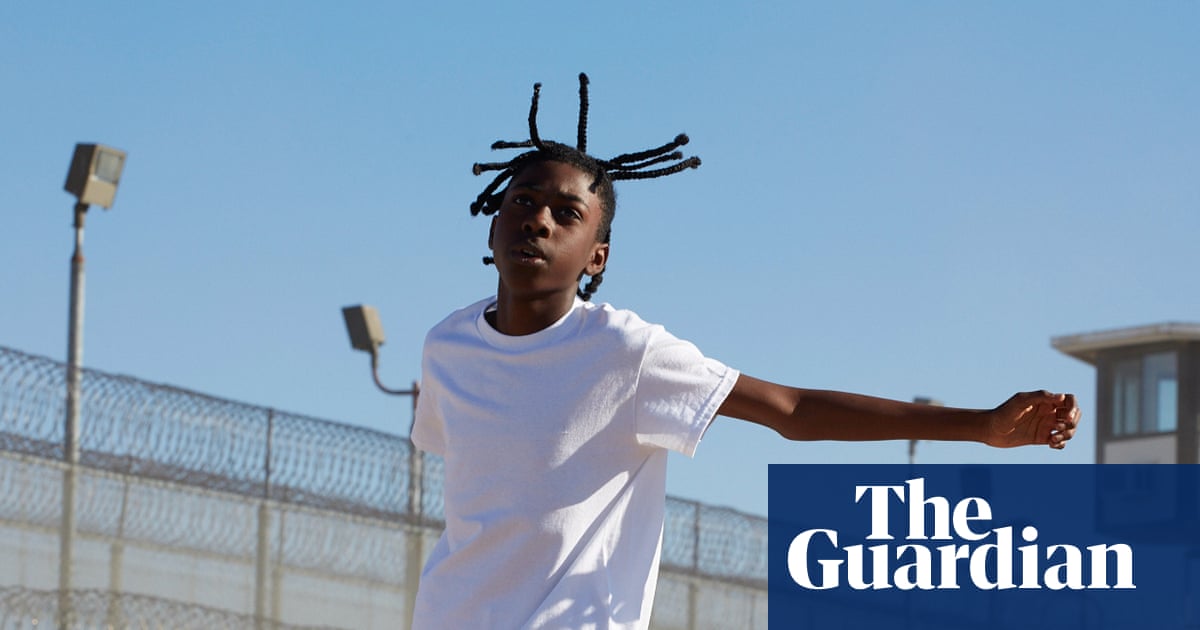
“At the outset, we were really trying to be intentional about it not feeling like a traditional or familiar incarceration film,” said Gayles. “We always understood this as not just an incarceration doc, but a music film, first and foremost. Creative expression was at the center.”Fittingly, much of Songs from the Hole plays out as the hip-hop visual album Jacobs initially envisioned in solitary – stories of his family, the west coast gang culture in which he was raised, and the prison industrial complex that entraps and punishes Black men, with actors playing his younger self and Victor.
Gayles, reseda and Jacobs maintained an analog collaboration for years, some of which plays out on screen – handwritten snail mail, prison phone calls always capped at 15 minutes (“I didn’t always know when they were coming in, so I just had to be ready with the phone and the recorder,” said Gayles).
The production team would mail stills from the dailies, printed on paper, back to Jacobs for his input.Though the film includes recreations of incarceration as well as photos and audio from prison, the trio were “intentional to not include any voices from the system”, said Gayles, instead focusing on the experience of incarcerated people and their loved ones.
Over many months and appeals to the state for clemency, Gayles checks in on his mother, Janine, father William, sister Reneasha, and his partner Indigo, whom Jacobs met when she visited prison as part of a group working for restorative justice. The goal, said Gayles, was to make Jacobs “feel as present as possible while also putting the audience in a position of experiencing him in a similar way as his loved ones do – at a distance, primarily through the phone and letters”.
In song and in those 15-minute prison phone calls, Jacobs describes how he followed his brother into life on the street and turned to violence as “a tool that I used for everything”. Guns were easy to come by. Jacobs describes, with hard-earned clarity, his adolescent mindset; at 15, he believed that shooting someone would earn him respect, make him a man.
That belief shattered quickly, compounded and twisted by the rage and grief he felt at losing Victor three days later. “Part of what compelled me a lot about [Jacobs’s] story was the fact that he and his family were in this position of being on both sides of that type of deadly violence,” said Gayles.
“He had the experience of taking a life, and then having a life taken from him.”For years, Jacobs felt angry and hopeless. He contemplated suicide. Then he met a fellow incarcerated man named Jay, who spoke with genuine contrition, remorse and grace about the life he took as a young man. Jay inspired Jacobs to think deeply about the family he had irrevocably harmed, a path forward that did not foreground anger.
(The family, never named, did not participate in the film.) Jacobs’s journey toward forgiveness, both for himself and for his brother’s killer, comes to a head in a latter-half scene that left my jaw on the floor – both at the human capacity for compassion despite everything, and at the carceral system’s total lack of interest in it.
Time and again, the California correctional system continued a cycle of violence, predicated on vengeance, that Jacobs sought to escape. “Violence isn’t the only answer to violence,” said Gayles. “When harm and violence happens, we don’t need to answer it by introducing more harm and violence through punishment, revenge, retribution, incarceration.
” Jacobs’s partner Indigo puts it more bluntly: “My healing is not found in someone else’s punishment.” Photograph: Courtesy of NetflixDespite the heavy subject matter, Songs from the Hole is anything but a portrait of despair. Jacobs endeavors to find joy – in education, in his family and fiancee, in the fact of being alive, in the “manufactured hope” of his art.
And, finally, freedom – in 2020, California’s governor, Gavin Newsom, commuted Jacobs’s sentence based on the age at which he committed his crime and his rehabilitative work, making him immediately eligible for parole. In 2022, after 18 years in prison, Jacobs walked free. The film ends with footage of him in the studio recording new music, singing, enjoying the freedom to mess up a track, then record again.
Jacobs’s burgeoning music career is evidence that “there are brilliant artists who are incarcerated, who have stories to tell that will impact and shift culture,” said Gayles.At one point in the film, still incarcerated and defeated by another legal setback, Jacobs made a list of reasons to keep living.
It included his family, his partner, his art. The last one was a belief: “My shortcomings do not diminish my good.” Over 106 minutes, Songs from the Hole makes as good a case as one can to believe it.“We all have things in our lives that we need to heal from – harm that we have experienced and harm that we have caused,” said Gayles.
“I hope that this film is just an entry point, and potentially a tool, for folks to heal.”Songs from the Hole is out now on NetflixThis article was amended on 13 August 2025. An earlier version erroneously referred to a shooting outside a nightclub in Long Beach. It occurred in Bellflower, California, and was not outside a nightclub.
Source coverage
Summary: "Songs from the Hole" - A Documentary on Prison, Music, and Forgiveness
News Title/Type: Film Review / Documentary Feature
Deeper analysis
Full source content
In 2014, a sergeant at a California state prison sent James “JJ’88” Jacobs, who was 25 at the time, to “the hole” – solitary confinement in a 6-by-6 cell. One bunk, one strip of a window. Jacobs had already been incarcerated for a decade by then; at 15, he was given a double life sentence for second-degree murder.
Alone in the hole, Jacobs thought, as he always did, about the most devastating month of his life, April 2004: on the 16th, he shot and killed a young man in Bellflower, California. Three days later, another young man shot and killed his beloved older brother Victor. For years, Jacobs was caught in a terrible cycle of grief – for what he had done, for what had been done to him.
In the hole, Jacobs would lie on the floor, eyes closed, and imagine his life outside prison. He’d make beats by pounding on his bunk or chest. A talented singer and rapper, he began to compose songs on notebook paper, along with treatments for imagined music videos. His lyrics that grappled with healing and reckoning – how to maintain self-worth in the face of devastating interpersonal and systemic violence, how to reconcile the worst thing you’ve ever done with your dignity as a human being.
The prison kept Jacobs in the hole for 2.5 months – far longer than the 15 days the United Nations recognizes as torture. “Being in here, death always feels imminent,” Jacobs says in a recorded prison phone call at the beginning of the remarkable new documentary Songs from the Hole. “I have to manufacture hope.
And the way I manufacture hope is by writing music.”Jacobs eventually managed to record rough demos of his tracks as JJ’88 and, a few years later, played some of them for Contessa Gayles, a documentary director then filming The Feminist on Cellblock Y at the prison. Jacobs and his co-facilitator of a prison reading group, richie reseda, “had a keyboard on a trash can in the corner of the gym – richie was on the keys and 88 was singing and rapping”, Gayles recalled recently.
“I just saw how incredibly talented they were and how beautiful and intimate the storytelling was in 88’s lyrics.” The three stayed in touch, and once reseda was released, began working on an idea, finally realizing a music video or two based on Jacobs’s original treatments.The result is Songs from the Hole, a deeply moving and unconventional documentary that weaves Jacobs’s musical visions first developed in solitary – bits of his handwritten “first drafts/treatments for the visual album” appear on screen – with more traditional narrative footage of his life and loved ones outside prison.
“At the outset, we were really trying to be intentional about it not feeling like a traditional or familiar incarceration film,” said Gayles. “We always understood this as not just an incarceration doc, but a music film, first and foremost. Creative expression was at the center.”Fittingly, much of Songs from the Hole plays out as the hip-hop visual album Jacobs initially envisioned in solitary – stories of his family, the west coast gang culture in which he was raised, and the prison industrial complex that entraps and punishes Black men, with actors playing his younger self and Victor.
Gayles, reseda and Jacobs maintained an analog collaboration for years, some of which plays out on screen – handwritten snail mail, prison phone calls always capped at 15 minutes (“I didn’t always know when they were coming in, so I just had to be ready with the phone and the recorder,” said Gayles).
The production team would mail stills from the dailies, printed on paper, back to Jacobs for his input.Though the film includes recreations of incarceration as well as photos and audio from prison, the trio were “intentional to not include any voices from the system”, said Gayles, instead focusing on the experience of incarcerated people and their loved ones.
Over many months and appeals to the state for clemency, Gayles checks in on his mother, Janine, father William, sister Reneasha, and his partner Indigo, whom Jacobs met when she visited prison as part of a group working for restorative justice. The goal, said Gayles, was to make Jacobs “feel as present as possible while also putting the audience in a position of experiencing him in a similar way as his loved ones do – at a distance, primarily through the phone and letters”.
In song and in those 15-minute prison phone calls, Jacobs describes how he followed his brother into life on the street and turned to violence as “a tool that I used for everything”. Guns were easy to come by. Jacobs describes, with hard-earned clarity, his adolescent mindset; at 15, he believed that shooting someone would earn him respect, make him a man.
That belief shattered quickly, compounded and twisted by the rage and grief he felt at losing Victor three days later. “Part of what compelled me a lot about [Jacobs’s] story was the fact that he and his family were in this position of being on both sides of that type of deadly violence,” said Gayles.
“He had the experience of taking a life, and then having a life taken from him.”For years, Jacobs felt angry and hopeless. He contemplated suicide. Then he met a fellow incarcerated man named Jay, who spoke with genuine contrition, remorse and grace about the life he took as a young man. Jay inspired Jacobs to think deeply about the family he had irrevocably harmed, a path forward that did not foreground anger.
(The family, never named, did not participate in the film.) Jacobs’s journey toward forgiveness, both for himself and for his brother’s killer, comes to a head in a latter-half scene that left my jaw on the floor – both at the human capacity for compassion despite everything, and at the carceral system’s total lack of interest in it.
Time and again, the California correctional system continued a cycle of violence, predicated on vengeance, that Jacobs sought to escape. “Violence isn’t the only answer to violence,” said Gayles. “When harm and violence happens, we don’t need to answer it by introducing more harm and violence through punishment, revenge, retribution, incarceration.
” Jacobs’s partner Indigo puts it more bluntly: “My healing is not found in someone else’s punishment.” Photograph: Courtesy of NetflixDespite the heavy subject matter, Songs from the Hole is anything but a portrait of despair. Jacobs endeavors to find joy – in education, in his family and fiancee, in the fact of being alive, in the “manufactured hope” of his art.
And, finally, freedom – in 2020, California’s governor, Gavin Newsom, commuted Jacobs’s sentence based on the age at which he committed his crime and his rehabilitative work, making him immediately eligible for parole. In 2022, after 18 years in prison, Jacobs walked free. The film ends with footage of him in the studio recording new music, singing, enjoying the freedom to mess up a track, then record again.
Jacobs’s burgeoning music career is evidence that “there are brilliant artists who are incarcerated, who have stories to tell that will impact and shift culture,” said Gayles.At one point in the film, still incarcerated and defeated by another legal setback, Jacobs made a list of reasons to keep living.
It included his family, his partner, his art. The last one was a belief: “My shortcomings do not diminish my good.” Over 106 minutes, Songs from the Hole makes as good a case as one can to believe it.“We all have things in our lives that we need to heal from – harm that we have experienced and harm that we have caused,” said Gayles.
“I hope that this film is just an entry point, and potentially a tool, for folks to heal.”Songs from the Hole is out now on NetflixThis article was amended on 13 August 2025. An earlier version erroneously referred to a shooting outside a nightclub in Long Beach. It occurred in Bellflower, California, and was not outside a nightclub.
How this page is built
Goose Pod turns cited reporting into a public episode summary first, then pairs that summary with audio playback so listeners can check the source material before they decide how deeply to engage.
The goal is to make this page useful as a news landing page first, while still giving listeners transcript access, related episodes, and direct links back to the original publishers.


