
What happened
Google is limiting Gemini's free tier due to its immense popularity and high computational costs. This shift reflects AI's evolution from a free utility to critical infrastructure, necessitating sustainable economic models. Expect tiered access with paid plans for advanced features, driving innovation in efficiency...
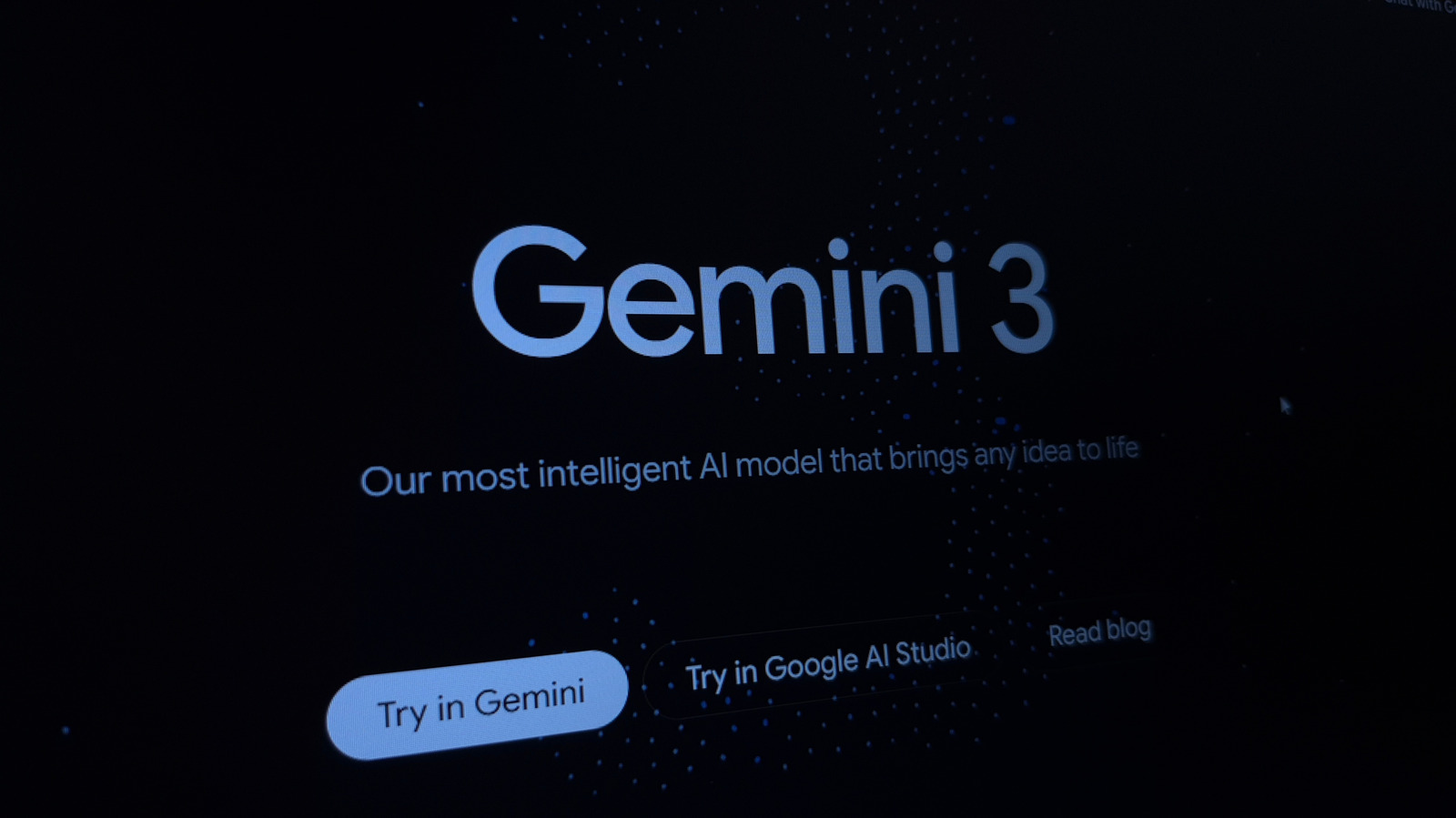
Nwz/Shutterstock Right before the official launch, we saw Gemini 3 Pro's leaked benchmark scores, giving us a glimpse at what to expect from Google's most intelligent AI model yet. Once it arrived, users began to flock to it, taking full advantage of everything that Gemini 3 Pro had to offer — like generative UI.
Of course, you still had to jump through a couple of hoops to enable Gemini 3 AI, but even then, it was well worth pushing the model to its most capable version. Well, it seems people have been using Gemini 3 a little bit too much, as Google has nerfed the free tier of the AI chatbot to help cut down on bandwidth usage.
Google has always been a bit lenient with its limits in the various AI products that make up its catalogue. For example, AI Mode in Chrome doesn't really seem to require any kind of specific AI plan to take advantage of, and even the company's best image generation model — Nano Banana — was available in Gemini for free users, although with some limitations.
Now, those limitations are going to hit a little harder, as new changes to the Gemini app access support page (via 9to5Google) suggest the company has vastly downgraded the availability of more premium AI features for its free-tier users. Thinking deeper is getting a bit more limited Nwz/Shutterstock Based on the updated support document, Google will now limit free-tier Gemini users to "Basic access."
However, the company hasn't said exactly what that means. The company also noted that daily limits may change frequently, which means there could be days when users have more access to the latest AI model. Free users have also been limited to just two images a day with Nano Banana Pro, though they can still generate up to 100 images a day with standard Nano Banana — which was groundbreaking on its own.
Across the board, it seems Google is locking down how much users can dig into its most powerful AI. It's a step that makes sense, especially as companies continue to struggle to meet the power demands that these new AI data centers are putting on the grid. Many companies, including Google, are investing in big tech nuclear energy data centers to help drive the supply that AI needs to run efficiently.
Perhaps we'll see these limits improve in the future, though it's hard to say. For now, if you need more access to Gemini's most powerful AI model, you might want to consider picking up an AI Pro subscription — though even that is limited when using the most powerful models.
Source coverage
<thoughtMy assessment of this article is that Google is pulling back on the free offerings of Gemini AI, citing its popularity and the strain that advanced AI models put on data center resources.
Here's the breakdown of what I've gathered:
Deeper analysis
Full source content
Nwz/Shutterstock Right before the official launch, we saw Gemini 3 Pro's leaked benchmark scores, giving us a glimpse at what to expect from Google's most intelligent AI model yet. Once it arrived, users began to flock to it, taking full advantage of everything that Gemini 3 Pro had to offer — like generative UI.
Of course, you still had to jump through a couple of hoops to enable Gemini 3 AI, but even then, it was well worth pushing the model to its most capable version. Well, it seems people have been using Gemini 3 a little bit too much, as Google has nerfed the free tier of the AI chatbot to help cut down on bandwidth usage.
Google has always been a bit lenient with its limits in the various AI products that make up its catalogue. For example, AI Mode in Chrome doesn't really seem to require any kind of specific AI plan to take advantage of, and even the company's best image generation model — Nano Banana — was available in Gemini for free users, although with some limitations.
Now, those limitations are going to hit a little harder, as new changes to the Gemini app access support page (via 9to5Google) suggest the company has vastly downgraded the availability of more premium AI features for its free-tier users. Thinking deeper is getting a bit more limited Nwz/Shutterstock Based on the updated support document, Google will now limit free-tier Gemini users to "Basic access."
However, the company hasn't said exactly what that means. The company also noted that daily limits may change frequently, which means there could be days when users have more access to the latest AI model. Free users have also been limited to just two images a day with Nano Banana Pro, though they can still generate up to 100 images a day with standard Nano Banana — which was groundbreaking on its own.
Across the board, it seems Google is locking down how much users can dig into its most powerful AI. It's a step that makes sense, especially as companies continue to struggle to meet the power demands that these new AI data centers are putting on the grid. Many companies, including Google, are investing in big tech nuclear energy data centers to help drive the supply that AI needs to run efficiently.
Perhaps we'll see these limits improve in the future, though it's hard to say. For now, if you need more access to Gemini's most powerful AI model, you might want to consider picking up an AI Pro subscription — though even that is limited when using the most powerful models.
How this page is built
Goose Pod turns cited reporting into a public episode summary first, then pairs that summary with audio playback so listeners can check the source material before they decide how deeply to engage.
The goal is to make this page useful as a news landing page first, while still giving listeners transcript access, related episodes, and direct links back to the original publishers.