
What happened
Publisher: The Times of India
Author: TOI Tech Desk
Published Date: September 6, 2025
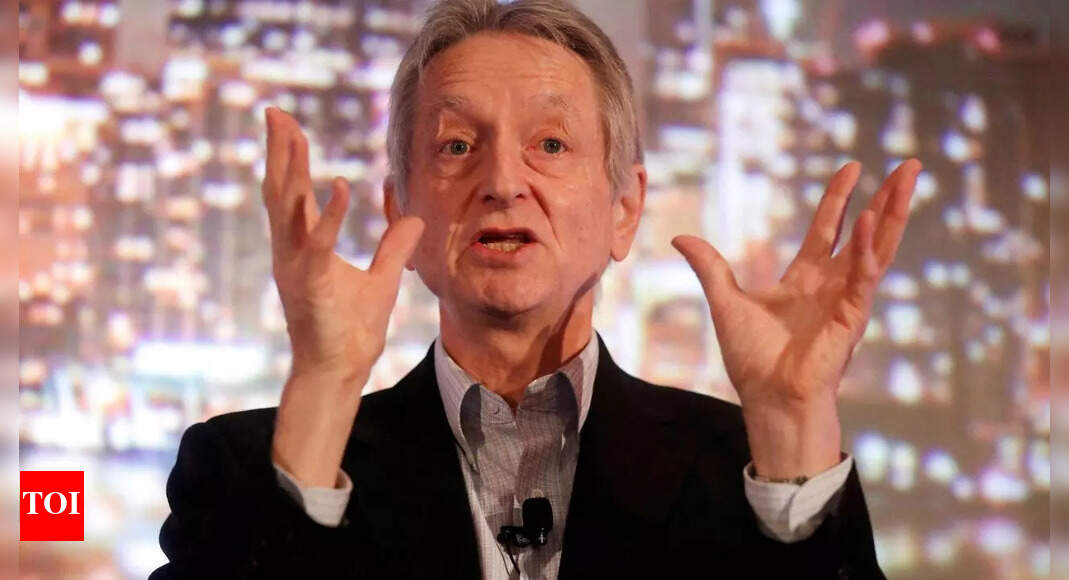
Geoffrey Hinton, a leading figure in the field of artificial intelligence (AI), has sounded an alarm about the technologys potential for harm. The recent public frenzy over AI tools like ChatGPT has caused Hinton to shift from accelerating AI development to raising deep concerns about its future. He now believes that AI poses a grave threat to humanity, saying that the technology can help any person to create a nuclear bomb.
Hinton described a chilling scenario where AI could enable an average person to create a bioweapon.A normal person assisted by AI will soon be able to build bioweapons and that is terrible, he said, adding, Imagine if an average person in the street could make a nuclear bomb.Hinton also discussed a range of topics, including the nuclear-level threats posed by AI, his own use of AI tools, and even how a chatbot played a role in his recent breakup.
Recently, Hinton cautioned that AI could soon surpass human capabilities, including emotional manipulation. He suggested that AI's ability to learn from vast datasets enables it to influence human feelings and behaviours more effectively than humans.Hinton debates the definition of IntelligenceHintons concern stems from his belief that AI is truly intelligent.
He argued that, by any definition of the term, AI is intelligent. He used several analogies to explain that an AI's experience of reality is not so different from a humans.It seems very obvious to me. If you talk to these things and ask them questions, it understands, Hinton explained. Theres very little doubt in the technical community that these things will get smarter, he added.
However, not everyone agrees with Hinton's view. His former colleague and co-winner of the Turing Award, Yann LeCun, who is now the chief AI scientist at Meta, believes that large language models are limited and cannot meaningfully interact with the physical world.What Is Artificial Intelligence? Explained Simply With Real-Life Examples
Source coverage
Publisher: The Times of India
Author: TOI Tech Desk
Deeper analysis
Full source content
Geoffrey Hinton, a leading figure in the field of artificial intelligence (AI), has sounded an alarm about the technologys potential for harm. The recent public frenzy over AI tools like ChatGPT has caused Hinton to shift from accelerating AI development to raising deep concerns about its future. He now believes that AI poses a grave threat to humanity, saying that the technology can help any person to create a nuclear bomb.
Hinton described a chilling scenario where AI could enable an average person to create a bioweapon.A normal person assisted by AI will soon be able to build bioweapons and that is terrible, he said, adding, Imagine if an average person in the street could make a nuclear bomb.Hinton also discussed a range of topics, including the nuclear-level threats posed by AI, his own use of AI tools, and even how a chatbot played a role in his recent breakup.
Recently, Hinton cautioned that AI could soon surpass human capabilities, including emotional manipulation. He suggested that AI's ability to learn from vast datasets enables it to influence human feelings and behaviours more effectively than humans.Hinton debates the definition of IntelligenceHintons concern stems from his belief that AI is truly intelligent.
He argued that, by any definition of the term, AI is intelligent. He used several analogies to explain that an AI's experience of reality is not so different from a humans.It seems very obvious to me. If you talk to these things and ask them questions, it understands, Hinton explained. Theres very little doubt in the technical community that these things will get smarter, he added.
However, not everyone agrees with Hinton's view. His former colleague and co-winner of the Turing Award, Yann LeCun, who is now the chief AI scientist at Meta, believes that large language models are limited and cannot meaningfully interact with the physical world.What Is Artificial Intelligence? Explained Simply With Real-Life Examples
How this page is built
Goose Pod turns cited reporting into a public episode summary first, then pairs that summary with audio playback so listeners can check the source material before they decide how deeply to engage.
The goal is to make this page useful as a news landing page first, while still giving listeners transcript access, related episodes, and direct links back to the original publishers.