

What happened
Donald Trump's order for US nuclear weapons tests, citing rivals' programs, revives Cold War tensions. This move, absent for 33 years, follows Russia's CTBT ratification withdrawal and New START suspension. Experts debate its impact on proliferation and global stability amid escalating great-power competition and...
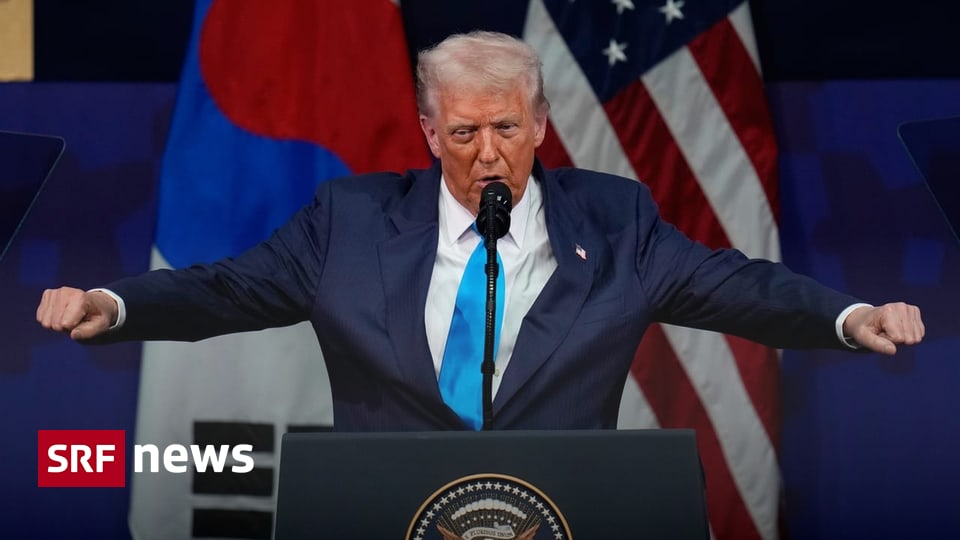
Inhalt Vor Treffen in Südkorea Trump ordnet Atomwaffentests an – Moskau droht mit Reaktion US-Präsident Donald Trump kündigt den sofortigen Beginn von Atomwaffentests an. Die Ankündigung kommt unmittelbar vor seinem Treffen mit dem chinesischen Präsidenten Xi Jinping. Die Ankündigung erfolgte auf der Social-Media-Plattform Truth Social.
Präsident Trump begründet den Schritt damit, dass andere Länder Atomtestprogramme hätten. Welche Länder er meint, schreibt Trump nicht. Er habe aber das Verteidigungsministerium angewiesen, Tests «auf gleicher Basis» durchzuführen. Um welche Art von Tests es sich dabei handeln soll, und welche Waffen getestet werden sollen, blieb dabei zunächst völlig offen.
Die Ankündigung folgt auf einen russischen Raketentest mit einer nuklear betriebenen Rakete. Die USA haben letztmals 1992 einen Atomwaffentest durchgeführt. Trump begründete die Massnahme in einem Post auf der Plattform Truth Social mit den Testprogrammen anderer Länder. Moskau reagiert auf US-Pläne zu Atomtests Russland hat für den Fall der ersten Atomwaffentests der USA ebenfalls mit der Wiederaufnahme solcher Erprobungen gedroht.
Russland hoffe, dass US-Präsident Donald Trump über die jüngsten russischen Waffentests der Rakete Burewestnik und der Unterwasserdrohne Poseidon korrekt informiert worden sei, sagte Kremlsprecher Dmitri Peskow russischen Agenturen zufolge am Donnerstag. Es habe sich nicht um Atomwaffentests gehandelt, betonte er.
Zugleich sagte Peskow, dass Russland weiter zu atomaren Abrüstungsverhandlungen mit den USA bereit sei. Es habe aber auf seine Vorschläge bisher keine Reaktion von Trump erhalten. Kreml lockerte 2023 das Atomtestverbot Box aufklappen Box zuklappen Kremlchef Putin hatte 2023 per Gesetz die russische Ratifizierung für das Verbot von Atomwaffentests zurückgezogen.
Seither verweist er auf die grundsätzlich mögliche Wiederaufnahme dieser Tests. Das Land arbeitet jedoch bisher trotz seiner Abkehr vom internationalen Atomteststopp-Vertrag weiterhin an der globalen Überwachung des Paktes mit. Kremlchef Wladimir Putin hatte zuvor ohne Vorlage von Beweisen von nuklear betriebenen Waffen mit grosser Schlagkraft gesprochen.
Die Raketen können mit Atomsprengköpfen bestückt werden. Für die Tests setzt Russland aber nicht solche Sprengköpfe ein. Deshalb ist nicht die Rede von Atomtests. «Bis jetzt war uns nicht bekannt, dass jemand Tests durchführt. Und wenn damit irgendwie der Test des «Burewestnik» gemeint ist, dann handelt es sich dabei auf keinen Fall um einen Atomtest.
Alle Länder entwickeln ihre Verteidigungssysteme weiter, aber das sind keine Atomtests», stellte Peskow klar. Gesetzliches Atomtestverbot in den USA Seit den letzten Tests Anfang der 1990er-Jahre gilt in den USA ein gesetzliches Atomtestmoratorium. Gemäss diesem Gesetz dürfen neue Atomtests in den USA nur dann durchgeführt werden, wenn andere Staaten bereits solche Tests gemacht haben – darauf beruft sich Trump jetzt.
USA-Korrespondentin Colpi: Ein politisches Signal Box aufklappen Box zuklappen «Atomtests, wie sie Trump angeordnet hat, dienen nicht nur technischen Zwecken, sondern gelten auch als politisches Signal, insbesondere gegenüber Russland und China – zur Demonstration amerikanischer Stärke.» «Trotzdem hätte Trump das Parlament einbinden müssen.
Denn Wiederaufnahmen von Atomwaffentests sind nur erlaubt, wenn der Präsident zuvor einen Bericht an den Kongress erstattet und die Pläne und Gründe darlegt», sagt SRF-Korrespondentin Barbara Colpi in den USA. Es sei deshalb gut möglich, dass die Anweisung des Präsidenten von einem Gericht beurteilt werden wird – «wie so vieles, was Trump anweist und bei dem sich die Frage einer möglichen Kompetenzüberschreitung stellt», so Colpi.
Diskutieren Sie mit: SRF 4 News, 30.10.2025, 03:00 Uhr ; agenturen/baec;mcep
Source coverage
---
News Summary: US President Trump Orders Nuclear Weapons Tests; Russia Threatens Response
Deeper analysis
Full source content
Inhalt Vor Treffen in Südkorea Trump ordnet Atomwaffentests an – Moskau droht mit Reaktion US-Präsident Donald Trump kündigt den sofortigen Beginn von Atomwaffentests an. Die Ankündigung kommt unmittelbar vor seinem Treffen mit dem chinesischen Präsidenten Xi Jinping. Die Ankündigung erfolgte auf der Social-Media-Plattform Truth Social.
Präsident Trump begründet den Schritt damit, dass andere Länder Atomtestprogramme hätten. Welche Länder er meint, schreibt Trump nicht. Er habe aber das Verteidigungsministerium angewiesen, Tests «auf gleicher Basis» durchzuführen. Um welche Art von Tests es sich dabei handeln soll, und welche Waffen getestet werden sollen, blieb dabei zunächst völlig offen.
Die Ankündigung folgt auf einen russischen Raketentest mit einer nuklear betriebenen Rakete. Die USA haben letztmals 1992 einen Atomwaffentest durchgeführt. Trump begründete die Massnahme in einem Post auf der Plattform Truth Social mit den Testprogrammen anderer Länder. Moskau reagiert auf US-Pläne zu Atomtests Russland hat für den Fall der ersten Atomwaffentests der USA ebenfalls mit der Wiederaufnahme solcher Erprobungen gedroht.
Russland hoffe, dass US-Präsident Donald Trump über die jüngsten russischen Waffentests der Rakete Burewestnik und der Unterwasserdrohne Poseidon korrekt informiert worden sei, sagte Kremlsprecher Dmitri Peskow russischen Agenturen zufolge am Donnerstag. Es habe sich nicht um Atomwaffentests gehandelt, betonte er.
Zugleich sagte Peskow, dass Russland weiter zu atomaren Abrüstungsverhandlungen mit den USA bereit sei. Es habe aber auf seine Vorschläge bisher keine Reaktion von Trump erhalten. Kreml lockerte 2023 das Atomtestverbot Box aufklappen Box zuklappen Kremlchef Putin hatte 2023 per Gesetz die russische Ratifizierung für das Verbot von Atomwaffentests zurückgezogen.
Seither verweist er auf die grundsätzlich mögliche Wiederaufnahme dieser Tests. Das Land arbeitet jedoch bisher trotz seiner Abkehr vom internationalen Atomteststopp-Vertrag weiterhin an der globalen Überwachung des Paktes mit. Kremlchef Wladimir Putin hatte zuvor ohne Vorlage von Beweisen von nuklear betriebenen Waffen mit grosser Schlagkraft gesprochen.
Die Raketen können mit Atomsprengköpfen bestückt werden. Für die Tests setzt Russland aber nicht solche Sprengköpfe ein. Deshalb ist nicht die Rede von Atomtests. «Bis jetzt war uns nicht bekannt, dass jemand Tests durchführt. Und wenn damit irgendwie der Test des «Burewestnik» gemeint ist, dann handelt es sich dabei auf keinen Fall um einen Atomtest.
Alle Länder entwickeln ihre Verteidigungssysteme weiter, aber das sind keine Atomtests», stellte Peskow klar. Gesetzliches Atomtestverbot in den USA Seit den letzten Tests Anfang der 1990er-Jahre gilt in den USA ein gesetzliches Atomtestmoratorium. Gemäss diesem Gesetz dürfen neue Atomtests in den USA nur dann durchgeführt werden, wenn andere Staaten bereits solche Tests gemacht haben – darauf beruft sich Trump jetzt.
USA-Korrespondentin Colpi: Ein politisches Signal Box aufklappen Box zuklappen «Atomtests, wie sie Trump angeordnet hat, dienen nicht nur technischen Zwecken, sondern gelten auch als politisches Signal, insbesondere gegenüber Russland und China – zur Demonstration amerikanischer Stärke.» «Trotzdem hätte Trump das Parlament einbinden müssen.
Denn Wiederaufnahmen von Atomwaffentests sind nur erlaubt, wenn der Präsident zuvor einen Bericht an den Kongress erstattet und die Pläne und Gründe darlegt», sagt SRF-Korrespondentin Barbara Colpi in den USA. Es sei deshalb gut möglich, dass die Anweisung des Präsidenten von einem Gericht beurteilt werden wird – «wie so vieles, was Trump anweist und bei dem sich die Frage einer möglichen Kompetenzüberschreitung stellt», so Colpi.
Diskutieren Sie mit: SRF 4 News, 30.10.2025, 03:00 Uhr ; agenturen/baec;mcep
How this page is built
Goose Pod turns cited reporting into a public episode summary first, then pairs that summary with audio playback so listeners can check the source material before they decide how deeply to engage.
The goal is to make this page useful as a news landing page first, while still giving listeners transcript access, related episodes, and direct links back to the original publishers.