What happened
Report Provider: NPR
Author: Brittney Melton
Date: July 24, 2025 (as indicated by the publication date of the newsletter)
Epstein Files Subpoena, Columbia $221 Million Settlement, 'Woke' AIGood morning. You're reading the Up First newsletter. Subscribe here to get it delivered to your inbox, and listen to the Up First podcast for all the news you need to start your day. Today's top stories The Justice Department and the House Oversight Committee are seeking to interview Ghislane Maxwell, a convicted associate of Jeffrey Epstein.
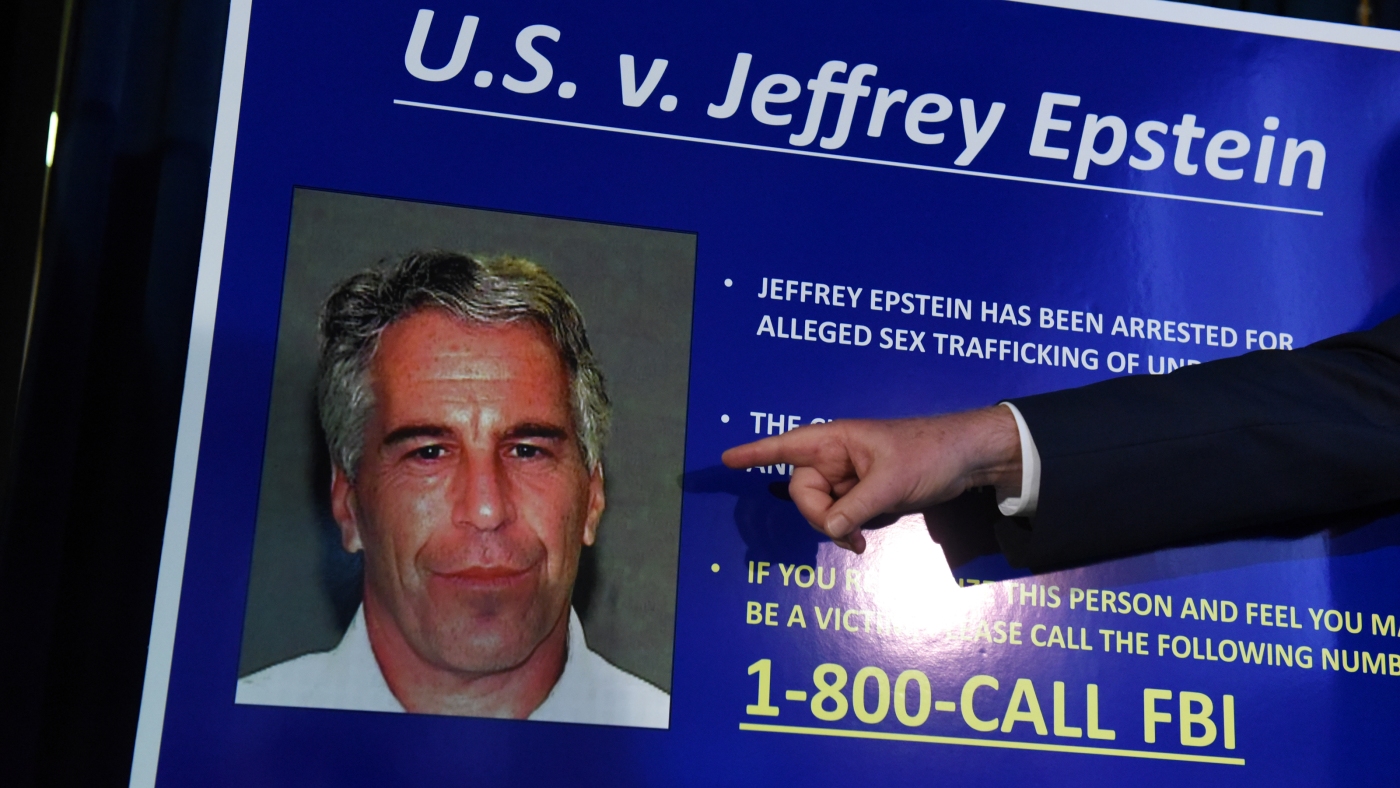
This inquiry comes as questions about the Epstein files continue to mount, as well as information about President Trump's ties to Epstein, the financier and convicted sex offender who died by suicide while in prison five years ago. U.S. Attorney for the Southern District of New York Geoffrey Berman announces charges against Jeffery Epstein on July 8, 2019 in New York City.
A federal judge in Florida has denied a request to unseal grand jury transcripts from a separate Epstein case in Florida.Stephanie Keith/Getty Imageshide captiontoggle captionStephanie Keith/Getty Images🎧 It is not known what new information Maxwell would provide or what she could get out of testifying, if anything, NPR's Domenico Montanaro tells Up First.
The government, encouraged by Trump, attempted to release grand jury transcripts from the Epstein case. But a federal judge yesterday denied one of those requests. A report, broken by the Wall Street Journal, stated that Trump was briefed in May that his name appeared several times in the Epstein files.
Montanaro says it is important to note that the appearance of the president's name doesn't indicate wrongdoing, as Trump and Epstein were friends for years. Columbia University has settled with the federal government and will pay over $220 million to resolve multiple investigations. The settlement, which comes after months-long negotiations, will also restore access to hundreds of millions of dollars in frozen research funding.
The university will pay $200 million over the span of three years to the government and another $21 million to the Equal Employment Opportunity Commission. Columbia's acting president, Claire Shipman, says the settlement also addresses concerns about admissions and hiring, though she didn't provide details on how.
🎧 Columbia's decision to settle is a different approach from Harvard University, which has rejected the government's demands and sued the administration, says NPR's Elissa Nadworny. Todd Wolfson, the president of the American Association of University Professors, says the agreement is a devastating blow to academic freedom and freedom of speech at Columbia.
In March, the Trump administration sent Columbia demands, including requesting strict controls over its international studies department and changes to student discipline policies. The administration alleged there was antisemitism on campus related to student protests over the Gaza war. Trump expressed that Columbia would need to comply with the demands if it wanted its funds to be unfrozen and be eligible for more federal funding in the future.
Trump signed an executive order yesterday requiring artificial intelligence companies that do business with the federal government to remove "ideological agendas" from their AI models. The order prohibits federal agencies from contracting with technology companies that operate AI chatbots exhibiting partisan bias.
This bias is defined in the order as related to concepts such as diversity, equity and inclusion, critical race theory, and "transgenderism." 🎧 The president's initiatives aim to reduce the red tape for AI companies, allowing them to build massive data centers faster, ship AI hardware and software overseas with more ease and eliminate AI chatbots that have adopted a liberal worldview, according to NPR's Bobby Allyn.
The president's order states that tech companies would essentially have to certify that their chatbots are politically neutral before receiving federal government work. Some in the tech industry say this shows that all the warming they have done to the president is paying off. Critics of Trump's plan say it shows that the administration is allowing the tech industry to make its own regulations.
Today's listen Michael Vargas in his room on Wednesday, April 3, 2024 in Miami.Eva Marie Uzcategui for NPRhide captiontoggle captionEva Marie Uzcategui for NPRMichael Vargas Arango, who won NPR's 2023 College Podcast Challenge, recently sent NPR a new podcast, The Monsters We Saved, discussing the surprising response he received worldwide from his story.
His winning entry, The Monsters We Create, was an emotional and personal story about moving to the U.S. from Colombia to study while living with a rare mental health condition. Vargas Arango used audio effects to help listeners understand what living with schizoaffective disorder is like for him. The podcast helped him find a connection with a new community, new opportunities and led him on a journey of self-discovery.
Listen to his new podcast or read more about his journey. Life advice Trying to beat the heat? There are other methods that dropping the thermostat.George Frey/Getty Imageshide captiontoggle captionGeorge Frey/Getty ImagesThis summer has been no stranger to heat, and it looks like it isn't about to ease up.
A long-lasting heat dome is expected to bring triple-digit temperatures over large areas of the Midwest and Eastern U.S. in the coming days. Air conditioners are sure to be on, and people may try precooling their homes to stay comfortable. This involves lowering your home's temperature during off-peak hours and allowing the cool air to last through when the sun is at its strongest and energy costs are higher.
Depending on whom you ask, it may or may not be effective. But don't worry, here are some tips to keep you cool this summer. 🌡️ Use large, heat-generating appliances like ovens, dishwashers and clothes dryers during off-peak hours.🌡️ Keep the sun out during peak hours by closing the curtains and blinds.
🌡️ Set your AC system to increase the temperature when you're away.🌡️ Block drafts from windows and doors in your home using caulk or weather stripping. 3 things to know before you go A 2023 Model X sports-utility vehicle sits outside a Tesla dealership Sunday, June 18, 2023, in Englewood, Colo.David Zalubowski/APhide captiontoggle captionDavid Zalubowski/APTesla yesterday reported its net income dropped 16% year-on-year during its second quarter, despite CEO Elon Musk pivoting back to focusing on his companies after working with the Trump administration.
The U.S. Postal Service is celebrating its 250th anniversary this weekend. To commemorate this milestone, it released new stamps yesterday. (via Hawaiʻi Public Radio)In 2019, Alek Hermon faced the heartbreaking decision to take his father, who had suffered whole brain death, off life support. After he died, Hermon left the operating room where his father's organ donation procedure was set to begin.
As he walked down the hallway, a nurse named Ray, who had been by his father's side, followed him. Hermon's unsung hero embraced him and made sure he wasn't alone with his grief. This newsletter was edited by Suzanne Nuyen.
Source coverage
Report Provider: NPR
Author: Brittney Melton
Deeper analysis
Full source content
Epstein Files Subpoena, Columbia $221 Million Settlement, 'Woke' AIGood morning. You're reading the Up First newsletter. Subscribe here to get it delivered to your inbox, and listen to the Up First podcast for all the news you need to start your day. Today's top stories The Justice Department and the House Oversight Committee are seeking to interview Ghislane Maxwell, a convicted associate of Jeffrey Epstein.
This inquiry comes as questions about the Epstein files continue to mount, as well as information about President Trump's ties to Epstein, the financier and convicted sex offender who died by suicide while in prison five years ago. U.S. Attorney for the Southern District of New York Geoffrey Berman announces charges against Jeffery Epstein on July 8, 2019 in New York City.
A federal judge in Florida has denied a request to unseal grand jury transcripts from a separate Epstein case in Florida.Stephanie Keith/Getty Imageshide captiontoggle captionStephanie Keith/Getty Images🎧 It is not known what new information Maxwell would provide or what she could get out of testifying, if anything, NPR's Domenico Montanaro tells Up First.
The government, encouraged by Trump, attempted to release grand jury transcripts from the Epstein case. But a federal judge yesterday denied one of those requests. A report, broken by the Wall Street Journal, stated that Trump was briefed in May that his name appeared several times in the Epstein files.
Montanaro says it is important to note that the appearance of the president's name doesn't indicate wrongdoing, as Trump and Epstein were friends for years. Columbia University has settled with the federal government and will pay over $220 million to resolve multiple investigations. The settlement, which comes after months-long negotiations, will also restore access to hundreds of millions of dollars in frozen research funding.
The university will pay $200 million over the span of three years to the government and another $21 million to the Equal Employment Opportunity Commission. Columbia's acting president, Claire Shipman, says the settlement also addresses concerns about admissions and hiring, though she didn't provide details on how.
🎧 Columbia's decision to settle is a different approach from Harvard University, which has rejected the government's demands and sued the administration, says NPR's Elissa Nadworny. Todd Wolfson, the president of the American Association of University Professors, says the agreement is a devastating blow to academic freedom and freedom of speech at Columbia.
In March, the Trump administration sent Columbia demands, including requesting strict controls over its international studies department and changes to student discipline policies. The administration alleged there was antisemitism on campus related to student protests over the Gaza war. Trump expressed that Columbia would need to comply with the demands if it wanted its funds to be unfrozen and be eligible for more federal funding in the future.
Trump signed an executive order yesterday requiring artificial intelligence companies that do business with the federal government to remove "ideological agendas" from their AI models. The order prohibits federal agencies from contracting with technology companies that operate AI chatbots exhibiting partisan bias.
This bias is defined in the order as related to concepts such as diversity, equity and inclusion, critical race theory, and "transgenderism." 🎧 The president's initiatives aim to reduce the red tape for AI companies, allowing them to build massive data centers faster, ship AI hardware and software overseas with more ease and eliminate AI chatbots that have adopted a liberal worldview, according to NPR's Bobby Allyn.
The president's order states that tech companies would essentially have to certify that their chatbots are politically neutral before receiving federal government work. Some in the tech industry say this shows that all the warming they have done to the president is paying off. Critics of Trump's plan say it shows that the administration is allowing the tech industry to make its own regulations.
Today's listen Michael Vargas in his room on Wednesday, April 3, 2024 in Miami.Eva Marie Uzcategui for NPRhide captiontoggle captionEva Marie Uzcategui for NPRMichael Vargas Arango, who won NPR's 2023 College Podcast Challenge, recently sent NPR a new podcast, The Monsters We Saved, discussing the surprising response he received worldwide from his story.
His winning entry, The Monsters We Create, was an emotional and personal story about moving to the U.S. from Colombia to study while living with a rare mental health condition. Vargas Arango used audio effects to help listeners understand what living with schizoaffective disorder is like for him. The podcast helped him find a connection with a new community, new opportunities and led him on a journey of self-discovery.
Listen to his new podcast or read more about his journey. Life advice Trying to beat the heat? There are other methods that dropping the thermostat.George Frey/Getty Imageshide captiontoggle captionGeorge Frey/Getty ImagesThis summer has been no stranger to heat, and it looks like it isn't about to ease up.
A long-lasting heat dome is expected to bring triple-digit temperatures over large areas of the Midwest and Eastern U.S. in the coming days. Air conditioners are sure to be on, and people may try precooling their homes to stay comfortable. This involves lowering your home's temperature during off-peak hours and allowing the cool air to last through when the sun is at its strongest and energy costs are higher.
Depending on whom you ask, it may or may not be effective. But don't worry, here are some tips to keep you cool this summer. 🌡️ Use large, heat-generating appliances like ovens, dishwashers and clothes dryers during off-peak hours.🌡️ Keep the sun out during peak hours by closing the curtains and blinds.
🌡️ Set your AC system to increase the temperature when you're away.🌡️ Block drafts from windows and doors in your home using caulk or weather stripping. 3 things to know before you go A 2023 Model X sports-utility vehicle sits outside a Tesla dealership Sunday, June 18, 2023, in Englewood, Colo.David Zalubowski/APhide captiontoggle captionDavid Zalubowski/APTesla yesterday reported its net income dropped 16% year-on-year during its second quarter, despite CEO Elon Musk pivoting back to focusing on his companies after working with the Trump administration.
The U.S. Postal Service is celebrating its 250th anniversary this weekend. To commemorate this milestone, it released new stamps yesterday. (via Hawaiʻi Public Radio)In 2019, Alek Hermon faced the heartbreaking decision to take his father, who had suffered whole brain death, off life support. After he died, Hermon left the operating room where his father's organ donation procedure was set to begin.
As he walked down the hallway, a nurse named Ray, who had been by his father's side, followed him. Hermon's unsung hero embraced him and made sure he wasn't alone with his grief. This newsletter was edited by Suzanne Nuyen.
How this page is built
Goose Pod turns cited reporting into a public episode summary first, then pairs that summary with audio playback so listeners can check the source material before they decide how deeply to engage.
The goal is to make this page useful as a news landing page first, while still giving listeners transcript access, related episodes, and direct links back to the original publishers.