

What happened
News Title/Type: Nurabot AI Robot Eases Nurse Shortage, Boosts Healthcare Efficiency by 2026 | Ukraine news - Mezha
Report Provider/Author: Межа. Новини України. (Mezha. Ukraine News.)
Date/Time Period Covered: The news discusses current challenges and projects future impacts, with key dates including a projected nurse deficit by 2030, a planned integration of Nurabot into routine nursing operations by the end of 2025, and a subsequent commercial launch in 2026.
There is a growing acute shortage of healthcare workers worldwide: according to the World Health Organization, by 2030 a deficit of about 4.5 million nurses is expected. Meanwhile, roughly a third of healthcare workers globally already experience burnout, and high staff turnover further worsens the situation.
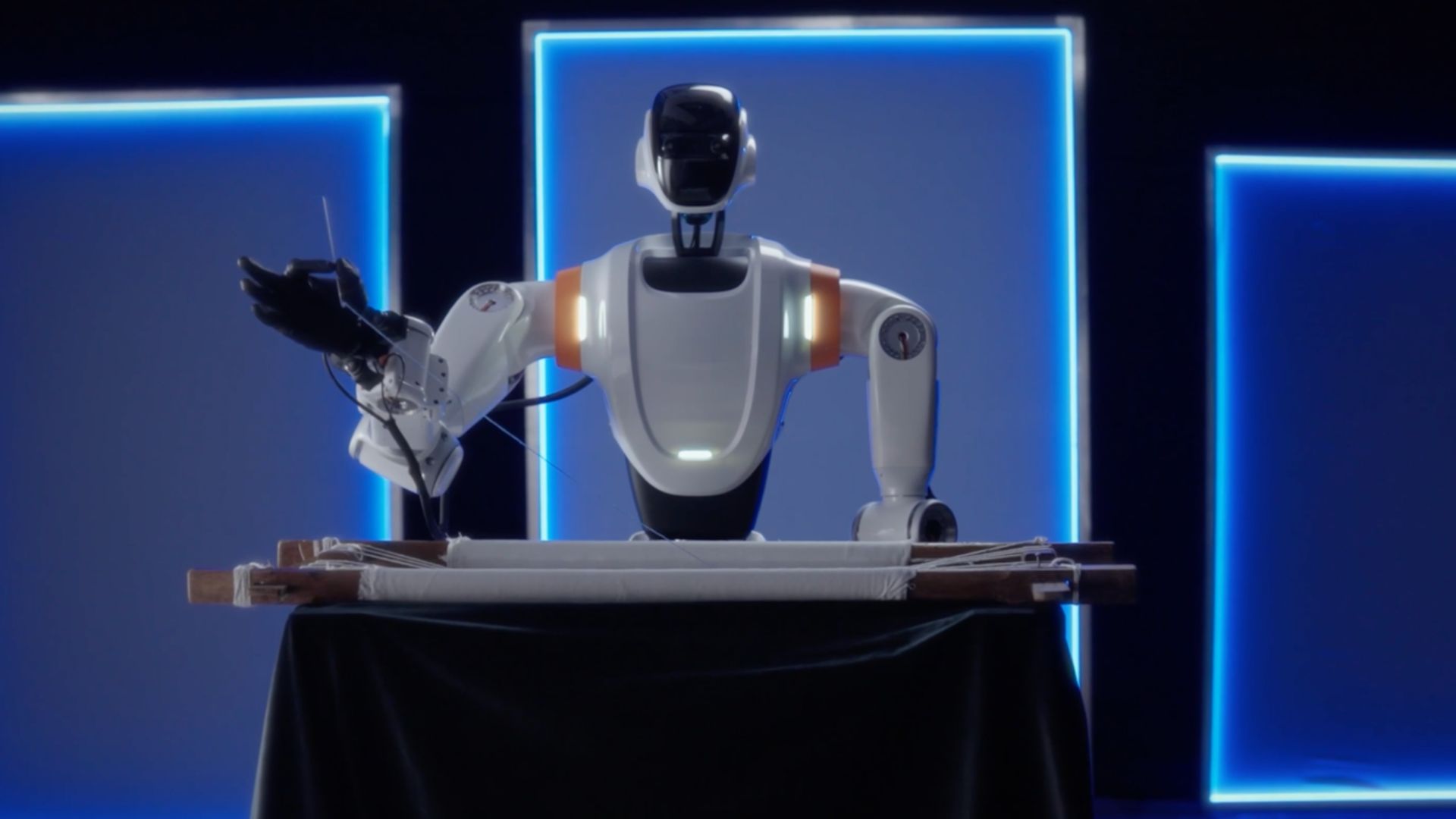
In response to these challenges, innovative helpers are appearing – Nurabot, an autonomous AI-powered robot that can ease repetitive or physically demanding tasks: delivering medications, guiding patients around wards, and the like. According to Foxconn, this humanoid could reduce nurses’ workload by about 30%.
“This is not a replacement for nurses, but rather a collaborative execution of the mission.” According to the company, Nurabot frees nurses from repetitive tasks, allowing them to focus on patient care and making clinical decisions based on professional expertise. Nurabot was developed in collaboration with Kawasaki Heavy Industries: the hardware is based on the Nyokkey model, the robot moves on wheels, has two manipulators for lifting and handing over items, and uses several cameras and sensors for spatial orientation.
It also uses Foxconn’s Chinese large language model for communication, and the AI core and robotics infrastructure are created under the NVIDIA umbrella. This enables the robot to autonomously move around the hospital, plan tasks, and respond to verbal and physical cues. “AI-powered assistive robots can indeed replace part of the repetitive work and save human resources significantly.
” Smart Hospitals and the Scale of AI’s Impact in Care In the broader health care landscape, there is a growing need to implement “smart hospitals”: an aging population continues to strain health systems. By 2030, a substantial increase in the number of people aged 60 and older is expected, as well as an uptick in those aged 80 and above.
Experts emphasize that AI-supported systems can significantly reduce time and costs, helping to reengineer workflows and boost efficiency. Today, robotic solutions are already being deployed in various countries: in Singapore, more than 80 robots support doctors and nurses at Changi General Hospital, while in the United States about 100 autonomous nurse robots branded Moxi transport medications, samples, and materials between departments.
However, studies on the effectiveness of nursing robots remain limited: data show positive staff perception, but the lack of reliable practical data and potential technical glitches still pose challenges to widespread adoption. On the industrial front, investments in health care are rising: companies such as NVIDIA, Amazon, and Google are accelerating market development worth tens of trillions of dollars, and the “smart hospitals” sector remains dynamic and rapidly evolving, particularly in the Asia-Pacific region.
Nurabot is currently undergoing a pilot in Taiwan, at Taichung Veterans General Hospital. As part of the testing, the robot has limited access to the hospital’s information system, but already shows promise: according to Foxconn, during the trial there is a reduction in daily nurse workload by about 20–30%.
Full integration into routine nursing operations is planned for the end of 2025, with a subsequent commercial launch in 2026. While Nurabot will not completely solve the nurse shortage, it can ease the burden of an aging society and reduce staff losses in hospitals where the deficit is most acute. The adoption of such solutions could be a significant step forward in improving care efficiency and preserving human resources in the health care system.
Source coverage
News Title/Type: Nurabot AI Robot Eases Nurse Shortage, Boosts Healthcare Efficiency by 2026 | Ukraine news - Mezha
Report Provider/Author: Межа. Новини України. (Mezha. Ukraine News.)
Deeper analysis
Full source content
There is a growing acute shortage of healthcare workers worldwide: according to the World Health Organization, by 2030 a deficit of about 4.5 million nurses is expected. Meanwhile, roughly a third of healthcare workers globally already experience burnout, and high staff turnover further worsens the situation.
In response to these challenges, innovative helpers are appearing – Nurabot, an autonomous AI-powered robot that can ease repetitive or physically demanding tasks: delivering medications, guiding patients around wards, and the like. According to Foxconn, this humanoid could reduce nurses’ workload by about 30%.
“This is not a replacement for nurses, but rather a collaborative execution of the mission.” According to the company, Nurabot frees nurses from repetitive tasks, allowing them to focus on patient care and making clinical decisions based on professional expertise. Nurabot was developed in collaboration with Kawasaki Heavy Industries: the hardware is based on the Nyokkey model, the robot moves on wheels, has two manipulators for lifting and handing over items, and uses several cameras and sensors for spatial orientation.
It also uses Foxconn’s Chinese large language model for communication, and the AI core and robotics infrastructure are created under the NVIDIA umbrella. This enables the robot to autonomously move around the hospital, plan tasks, and respond to verbal and physical cues. “AI-powered assistive robots can indeed replace part of the repetitive work and save human resources significantly.
” Smart Hospitals and the Scale of AI’s Impact in Care In the broader health care landscape, there is a growing need to implement “smart hospitals”: an aging population continues to strain health systems. By 2030, a substantial increase in the number of people aged 60 and older is expected, as well as an uptick in those aged 80 and above.
Experts emphasize that AI-supported systems can significantly reduce time and costs, helping to reengineer workflows and boost efficiency. Today, robotic solutions are already being deployed in various countries: in Singapore, more than 80 robots support doctors and nurses at Changi General Hospital, while in the United States about 100 autonomous nurse robots branded Moxi transport medications, samples, and materials between departments.
However, studies on the effectiveness of nursing robots remain limited: data show positive staff perception, but the lack of reliable practical data and potential technical glitches still pose challenges to widespread adoption. On the industrial front, investments in health care are rising: companies such as NVIDIA, Amazon, and Google are accelerating market development worth tens of trillions of dollars, and the “smart hospitals” sector remains dynamic and rapidly evolving, particularly in the Asia-Pacific region.
Nurabot is currently undergoing a pilot in Taiwan, at Taichung Veterans General Hospital. As part of the testing, the robot has limited access to the hospital’s information system, but already shows promise: according to Foxconn, during the trial there is a reduction in daily nurse workload by about 20–30%.
Full integration into routine nursing operations is planned for the end of 2025, with a subsequent commercial launch in 2026. While Nurabot will not completely solve the nurse shortage, it can ease the burden of an aging society and reduce staff losses in hospitals where the deficit is most acute. The adoption of such solutions could be a significant step forward in improving care efficiency and preserving human resources in the health care system.
How this page is built
Goose Pod turns cited reporting into a public episode summary first, then pairs that summary with audio playback so listeners can check the source material before they decide how deeply to engage.
The goal is to make this page useful as a news landing page first, while still giving listeners transcript access, related episodes, and direct links back to the original publishers.