

What happened
This news report from Digital Journal Inc., authored by Markos Papadatos, discusses the potential of AI-powered nursing robots, specifically "Nurabot," to alleviate the growing global healthcare staffing crisis. The article highlights the increasing demand for healthcare services, coupled with a shortage of nurses...
Key Findings and Conclusions:
Critical Statistics and Metrics:
Nursing Homes used Centers for Medicare & Medicaid Services data to determine which state's skilled nursing facilities bring in the highest revenue per bed. - Canva Hospitals worldwide already face an ever-growing crisis… there are not enough clinicians or nurses, as well as a rising patient demand, and a need for smarter, better, and safer care.
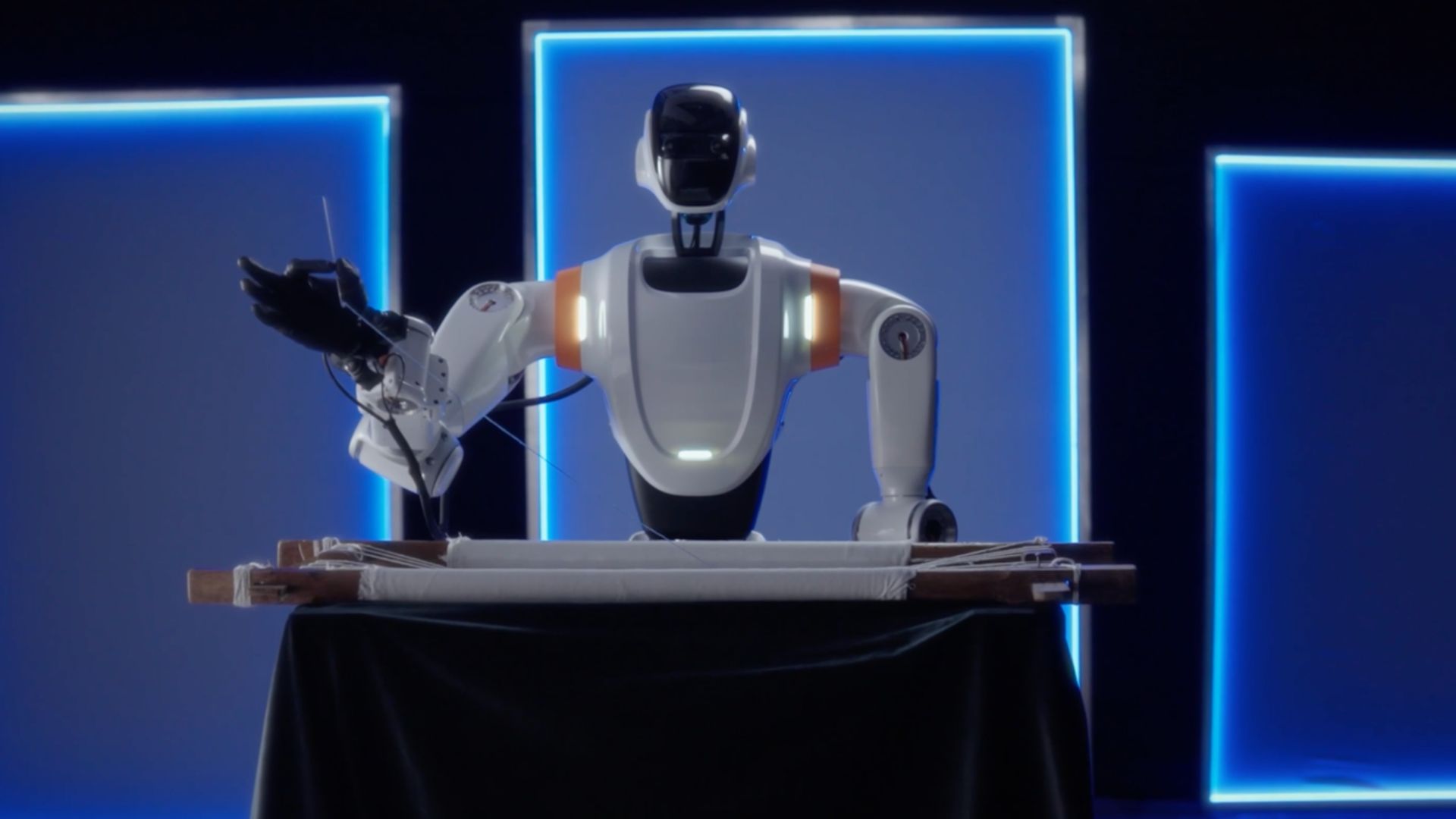
Can AI nursing robots help with hospital staffing shortages around the globe? There is an autonomous, AI-powered nursing robot named “Nurabot,” who is designed to assist healthcare staff with “repetitive or physically demanding tasks and procedures” in hospitals. According to the World Health Organization (WHO), there are approximately 29 million nurses in the globe, and 2.
2 million midwives. The WHO estimates that there will be a shortage of 4.5 million nurses and 0.31 million midwives by the year 2030. Nurses are already feeling the stresses and pressures of the job with many experiencing burnout symptoms such as exhaustion and the profession has always had a high turnover rate.
This past May, the world’s first AI nurse, Nurabot, joined Taiwan hospitals to help battle the worldwide healthcare crisis. This collaborative nursing robot was built to combat burnout by taking over some of the most taxing and redundant tasks in clinical care. Nurabot is not working alone; Foxconn has built a suite of smart hospital tools using NVIDIA tech, which include AI models that track patient vitals, as well as digital twins that help hospitals design better spaces.
Speaking of NVIDIA, it is regarded as the “world leader in artificial intelligence (AI) computing.” According to Foxconn, Nurabot, can reduce nurses’ workload anywhere from 20 to 30 percent, which is an impressive feat. Alice Lin, the director of user design at Foxconn stated that Nurabot is not a replacement for nurses, but it is assisting them with achieving a mission togther.
With Nurabot being able to fulfill tasks that are repetitive, that can help free up nurses and instead, they can devote their energy and assistance to patients that “really need them.” As a result, it is already reshaping how hospitals operate, diagnose, and plan in Taiwan. It was reported that it took them 10 months to develop Nurabot (and it has been going through testing at the Tawainese hospital since April), and the company is readying Nurabot for its commercial launch for early 2026.
Over the past 10 years, while the number of workers in the health care field went up, it hasn’t gone fast enough to beat population growth and aging. As a result, statistically speaking, Southeast Asia is slated to be one of the regions that will be heavily impacted for workforce shortages in healthcare in the near future.
Professor Rick Kwan, the associate dean at Tung Wah College in Hong Kong, feels that with all of these factors, AI-enhanced nursing systems can provide both cost and time savings. According to a CNN feature, Kwan feels that “AI-assisted robots can replace repetitive work, and save a lot of manpower.
” Jamie Prevatt, who has been a registered nurse in the USA for 33 years, stated, “It would be great if AI-powered nursing robots can lessen the workload of nurses; this way, it shifts their focus on the patients rather than the tasks.” Markos Papadatos is Digital Journal's Editor-at-Large for Music News.
Papadatos is a Greek-American journalist and educator that has authored over 23,000 original articles over the past 19 years. He has interviewed some of the biggest names in music, entertainment, lifestyle, magic, and sports. He is a 16-time "Best of Long Island" winner, where for three consecutive years (2020, 2021, and 2022), he was honored as the "Best Long Island Personality" in Arts & Entertainment, an honor that has gone to Billy Joel six times.
Source coverage
This news report from Digital Journal Inc., authored by Markos Papadatos, discusses the potential of AI-powered nursing robots, specifically "Nurabot," to alleviate the growing global healthcare staffing crisis. The article highlights the increasing demand for healthcare services, coupled with a shortage of nurses...
Key Findings and Conclusions:
Deeper analysis
Full source content
Nursing Homes used Centers for Medicare & Medicaid Services data to determine which state's skilled nursing facilities bring in the highest revenue per bed. - Canva Hospitals worldwide already face an ever-growing crisis… there are not enough clinicians or nurses, as well as a rising patient demand, and a need for smarter, better, and safer care.
Can AI nursing robots help with hospital staffing shortages around the globe? There is an autonomous, AI-powered nursing robot named “Nurabot,” who is designed to assist healthcare staff with “repetitive or physically demanding tasks and procedures” in hospitals. According to the World Health Organization (WHO), there are approximately 29 million nurses in the globe, and 2.
2 million midwives. The WHO estimates that there will be a shortage of 4.5 million nurses and 0.31 million midwives by the year 2030. Nurses are already feeling the stresses and pressures of the job with many experiencing burnout symptoms such as exhaustion and the profession has always had a high turnover rate.
This past May, the world’s first AI nurse, Nurabot, joined Taiwan hospitals to help battle the worldwide healthcare crisis. This collaborative nursing robot was built to combat burnout by taking over some of the most taxing and redundant tasks in clinical care. Nurabot is not working alone; Foxconn has built a suite of smart hospital tools using NVIDIA tech, which include AI models that track patient vitals, as well as digital twins that help hospitals design better spaces.
Speaking of NVIDIA, it is regarded as the “world leader in artificial intelligence (AI) computing.” According to Foxconn, Nurabot, can reduce nurses’ workload anywhere from 20 to 30 percent, which is an impressive feat. Alice Lin, the director of user design at Foxconn stated that Nurabot is not a replacement for nurses, but it is assisting them with achieving a mission togther.
With Nurabot being able to fulfill tasks that are repetitive, that can help free up nurses and instead, they can devote their energy and assistance to patients that “really need them.” As a result, it is already reshaping how hospitals operate, diagnose, and plan in Taiwan. It was reported that it took them 10 months to develop Nurabot (and it has been going through testing at the Tawainese hospital since April), and the company is readying Nurabot for its commercial launch for early 2026.
Over the past 10 years, while the number of workers in the health care field went up, it hasn’t gone fast enough to beat population growth and aging. As a result, statistically speaking, Southeast Asia is slated to be one of the regions that will be heavily impacted for workforce shortages in healthcare in the near future.
Professor Rick Kwan, the associate dean at Tung Wah College in Hong Kong, feels that with all of these factors, AI-enhanced nursing systems can provide both cost and time savings. According to a CNN feature, Kwan feels that “AI-assisted robots can replace repetitive work, and save a lot of manpower.
” Jamie Prevatt, who has been a registered nurse in the USA for 33 years, stated, “It would be great if AI-powered nursing robots can lessen the workload of nurses; this way, it shifts their focus on the patients rather than the tasks.” Markos Papadatos is Digital Journal's Editor-at-Large for Music News.
Papadatos is a Greek-American journalist and educator that has authored over 23,000 original articles over the past 19 years. He has interviewed some of the biggest names in music, entertainment, lifestyle, magic, and sports. He is a 16-time "Best of Long Island" winner, where for three consecutive years (2020, 2021, and 2022), he was honored as the "Best Long Island Personality" in Arts & Entertainment, an honor that has gone to Billy Joel six times.
How this page is built
Goose Pod turns cited reporting into a public episode summary first, then pairs that summary with audio playback so listeners can check the source material before they decide how deeply to engage.
The goal is to make this page useful as a news landing page first, while still giving listeners transcript access, related episodes, and direct links back to the original publishers.