
What happened
Report Provider: Interesting Engineering
Author: Kaif Shaikh
Publication Date: August 1, 2025 (Updated 07:39 AM EST)
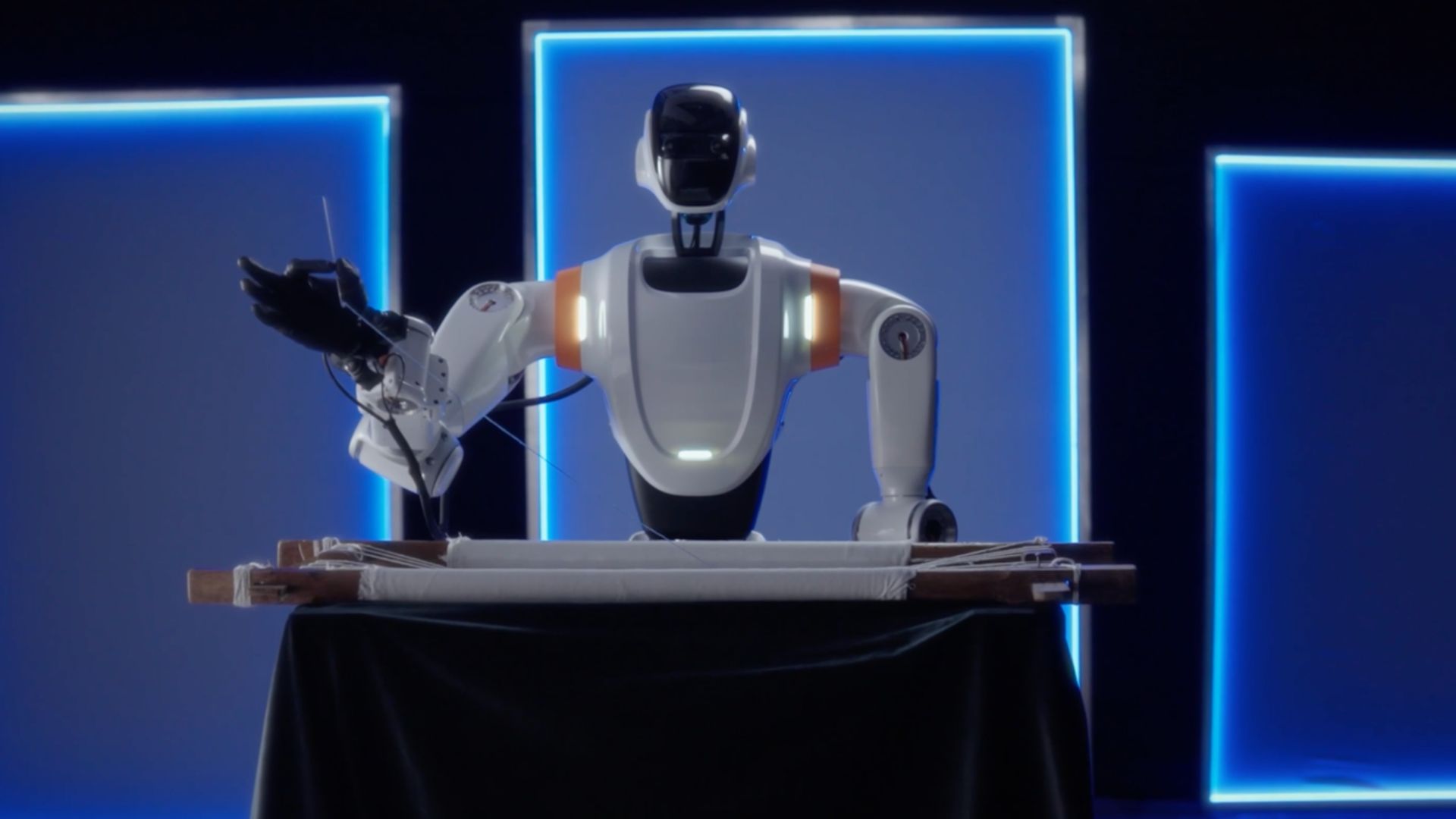
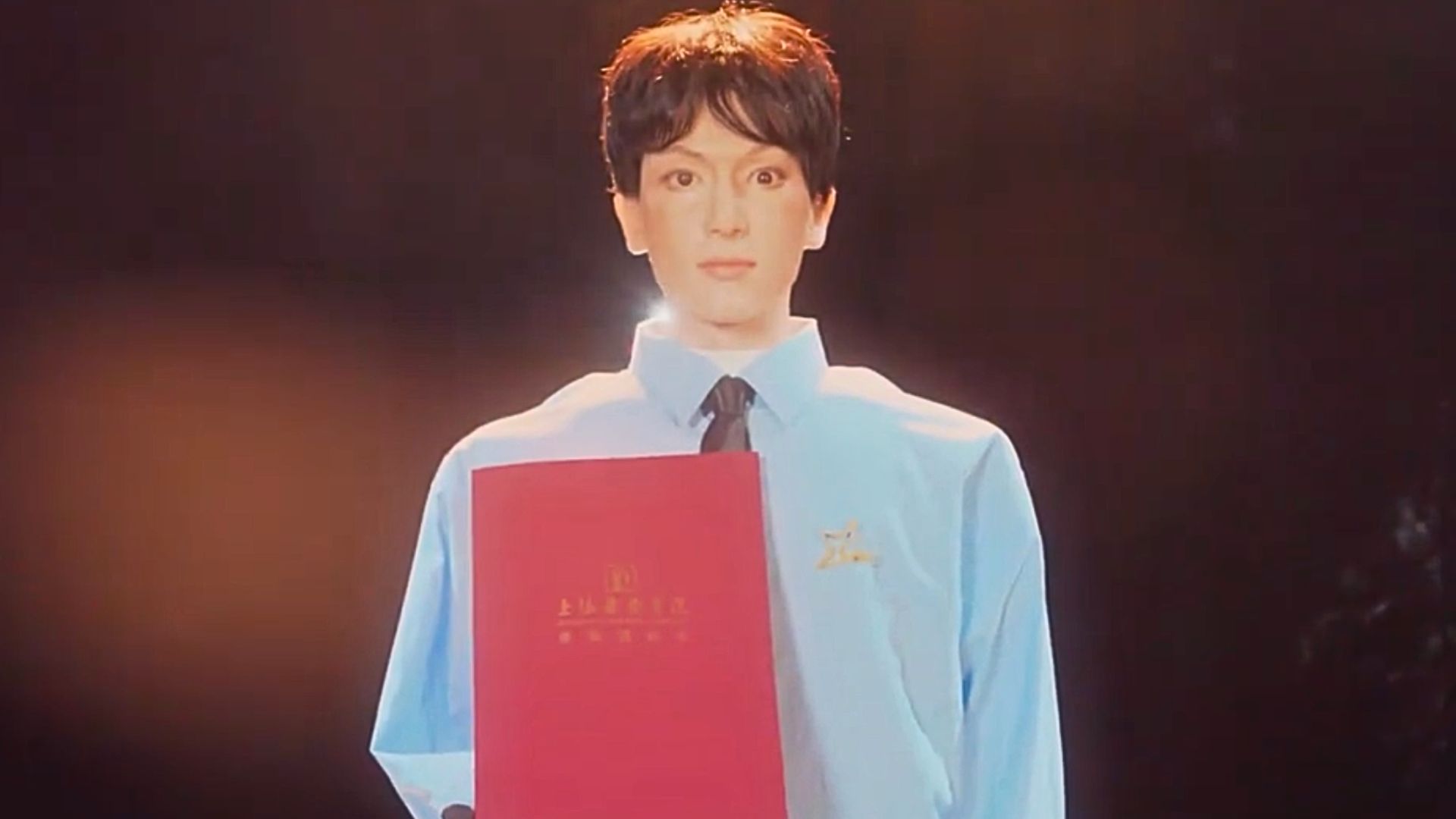
China: World’s first humanoid robot PhD candidate to study opera and actingWith a virtual student ID, AI artist Xueba 01 will study performance, scriptwriting and motion control. Updated: Aug 01, 2025 07:39 AM ESTXueba 01's creators say that the humanoid is meant to look like a “handsome male adult”DouyinShanghai Theatre Academy (STA) has accepted an artificial-intelligence robot named Xueba 01 into its four-year PhD programme in Drama and Film, marking what is believed to be the first time a humanoid machine has been granted full doctoral-candidate status in the arts.
The robot, described by its creators as an “AI artist” and a “handsome male adult,” is set to arrive on campus on September 14 to begin research focused on traditional Chinese opera. Xueba 01 has already been issued a virtual student ID and will study under renowned Shanghai artist and professor Yang Qingqing.
Yang told Shangguan News that the machine’s curriculum blends artistic and technical disciplines: “When Xueba 01 interacts with his classmates, it is not a cold machine meeting humans, but an aesthetic exchange across species,” she said.Coursework will range from stage performance, scriptwriting, and set design to motion control and language generation, culminating in a dissertation and live opera rehearsals alongside human peers.
The robot speaks about its ambitions with surprising flair. According to South China Morning Post (SCMP), Xueba 01 hopes to make friends, chat about scripts, help fine-tune dance moves, and even play calming white noise when his classmates feel down. Should all go well, Yang believes her non-human protégé could one day direct operas in museums or theatres, or run its own robotic art studio.
The announcement quickly ignited discussion online. One STA student questioned whether “rich expressions and a unique voice” essential to Chinese opera can truly be embodied by a robot, SCMP reported. Others raised equity concerns: “Some arts PhD students in China still get less than 3,000 yuan (US$420) a month.
Is this robot taking too many resources meant for real students?” one commenter asked.Xueba 01 responded to critics with humor, warning that failure to graduate could see its “system and data… downgraded or deleted.” If that happens, the robot quipped, “they will donate me to a museum. That sounds pretty cool too.
At least I will be part of art history!”Part of a global trend toward robots in classroomsWhile robots have long served as teaching aids or remote-presence avatars, enrollment as students remains rare. The American humanoid BINA48, built by Hanson Robotics and the Terasem Movement Foundation, became the first robot recognized as a university student in 2017 when she completed a philosophy course on love at Notre Dame de Namur University, earning a “superior quality” grade and later co-teaching at West Point.
Other systems focus on expanding human access to education. More than 3,000 “AV1” avatar robots now let children with chronic illnesses attend school virtually across 17 countries, primarily the UK and Germany. And in the United States, institutions such as the University of the District of Columbia plan to launch AI-and-robot-teacher programs in 2025, signaling growing mainstream acceptance of robotics in academia.
RECOMMENDED ARTICLESRobotic experimentation has even reached the opera stage itself. Japan’s Alter 3, developed by Professor Hiroshi Ishiguro’s Osaka University lab and Mixi Corporation, has sung in productions like Super Angels and, in 2020, conducted a human orchestra during the Android Opera Scary Beauty at Tokyo’s New National Theatre, probing “the boundary between machine agency and artistic expression.
”Whether Xueba 01 ultimately earns its doctorate or becomes a museum piece, its enrollment has already reopened fundamental questions about the nature of art, authorship, and what it means to be a student. ABOUT THE AUTHORKaif Shaikh Kaif Shaikh is a journalist and writer passionate about turning complex information into clear, impactful stories.
His writing covers technology, sustainability, geopolitics, and occasionally fiction. A graduate in Journalism and Mass Communication, his work has appeared in the Times of India and beyond. After a near-fatal experience, Kaif began seeing both stories and silences differently. Outside work, he juggles far too many projects and passions, but always makes time to read, reflect, and hold onto the thread of wonder.
RELATED ARTICLESJOBS
Source coverage
Report Provider: Interesting Engineering
Author: Kaif Shaikh
Deeper analysis
Full source content
China: World’s first humanoid robot PhD candidate to study opera and actingWith a virtual student ID, AI artist Xueba 01 will study performance, scriptwriting and motion control. Updated: Aug 01, 2025 07:39 AM ESTXueba 01's creators say that the humanoid is meant to look like a “handsome male adult”DouyinShanghai Theatre Academy (STA) has accepted an artificial-intelligence robot named Xueba 01 into its four-year PhD programme in Drama and Film, marking what is believed to be the first time a humanoid machine has been granted full doctoral-candidate status in the arts.
The robot, described by its creators as an “AI artist” and a “handsome male adult,” is set to arrive on campus on September 14 to begin research focused on traditional Chinese opera. Xueba 01 has already been issued a virtual student ID and will study under renowned Shanghai artist and professor Yang Qingqing.
Yang told Shangguan News that the machine’s curriculum blends artistic and technical disciplines: “When Xueba 01 interacts with his classmates, it is not a cold machine meeting humans, but an aesthetic exchange across species,” she said.Coursework will range from stage performance, scriptwriting, and set design to motion control and language generation, culminating in a dissertation and live opera rehearsals alongside human peers.
The robot speaks about its ambitions with surprising flair. According to South China Morning Post (SCMP), Xueba 01 hopes to make friends, chat about scripts, help fine-tune dance moves, and even play calming white noise when his classmates feel down. Should all go well, Yang believes her non-human protégé could one day direct operas in museums or theatres, or run its own robotic art studio.
The announcement quickly ignited discussion online. One STA student questioned whether “rich expressions and a unique voice” essential to Chinese opera can truly be embodied by a robot, SCMP reported. Others raised equity concerns: “Some arts PhD students in China still get less than 3,000 yuan (US$420) a month.
Is this robot taking too many resources meant for real students?” one commenter asked.Xueba 01 responded to critics with humor, warning that failure to graduate could see its “system and data… downgraded or deleted.” If that happens, the robot quipped, “they will donate me to a museum. That sounds pretty cool too.
At least I will be part of art history!”Part of a global trend toward robots in classroomsWhile robots have long served as teaching aids or remote-presence avatars, enrollment as students remains rare. The American humanoid BINA48, built by Hanson Robotics and the Terasem Movement Foundation, became the first robot recognized as a university student in 2017 when she completed a philosophy course on love at Notre Dame de Namur University, earning a “superior quality” grade and later co-teaching at West Point.
Other systems focus on expanding human access to education. More than 3,000 “AV1” avatar robots now let children with chronic illnesses attend school virtually across 17 countries, primarily the UK and Germany. And in the United States, institutions such as the University of the District of Columbia plan to launch AI-and-robot-teacher programs in 2025, signaling growing mainstream acceptance of robotics in academia.
RECOMMENDED ARTICLESRobotic experimentation has even reached the opera stage itself. Japan’s Alter 3, developed by Professor Hiroshi Ishiguro’s Osaka University lab and Mixi Corporation, has sung in productions like Super Angels and, in 2020, conducted a human orchestra during the Android Opera Scary Beauty at Tokyo’s New National Theatre, probing “the boundary between machine agency and artistic expression.
”Whether Xueba 01 ultimately earns its doctorate or becomes a museum piece, its enrollment has already reopened fundamental questions about the nature of art, authorship, and what it means to be a student. ABOUT THE AUTHORKaif Shaikh Kaif Shaikh is a journalist and writer passionate about turning complex information into clear, impactful stories.
His writing covers technology, sustainability, geopolitics, and occasionally fiction. A graduate in Journalism and Mass Communication, his work has appeared in the Times of India and beyond. After a near-fatal experience, Kaif began seeing both stories and silences differently. Outside work, he juggles far too many projects and passions, but always makes time to read, reflect, and hold onto the thread of wonder.
RELATED ARTICLESJOBS
How this page is built
Goose Pod turns cited reporting into a public episode summary first, then pairs that summary with audio playback so listeners can check the source material before they decide how deeply to engage.
The goal is to make this page useful as a news landing page first, while still giving listeners transcript access, related episodes, and direct links back to the original publishers.