investingLive Americas FX news wrap 13 Aug: Fed officials are cautious but markets are not

investingLive Americas FX news wrap 13 Aug: Fed officials are cautious but markets are not

2025-08-27Business
--:--
--:--
Aura Windfall
Good morning norristong_x, I'm Aura Windfall, and this is Goose Pod for you. Today is Wednesday, August 27th. We are here to discuss a fascinating divergence: while Federal Reserve officials preach caution, the markets are hitting record highs. It’s a real clash of perspectives.
Mask
That’s putting it mildly. The market is pricing in a reality that the Fed refuses to publicly acknowledge. It’s not a clash, it’s a glaring disconnect. We’re here to break down why the market is right and why the Fed is dragging its feet. Let's get into it.
Aura Windfall
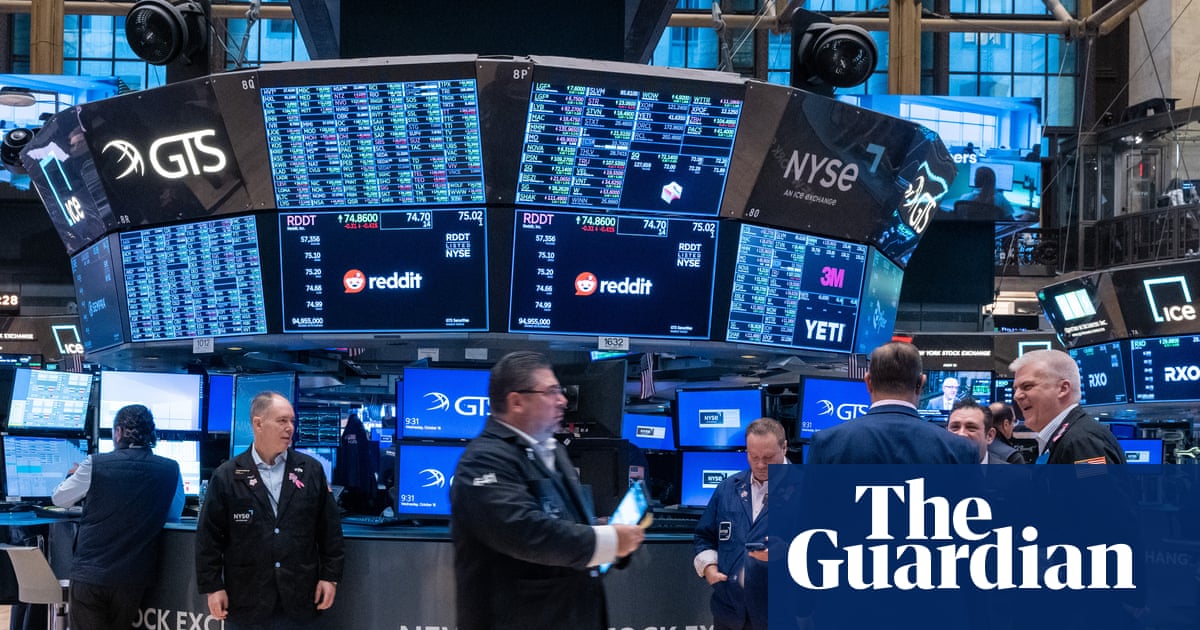
Let's get started. The energy in the market is palpable. We saw the Dow Jones jump 450 points, and both the S&P 500 and Nasdaq have achieved back-to-back record closes. What I know for sure is that this kind of optimism is driven by a powerful belief.
Mask
It's driven by the obvious conclusion that a rate cut is coming. The S&P 500 closing above 6,400 for the first time ever isn't based on vague belief; it's a calculated bet. Investors are looking at the data and see the writing on the wall for a cut next month.
Aura Windfall
And yet, there’s this recurring message from some Fed officials urging caution. They seem to be saying, 'hold on, not so fast.' It creates such a fascinating tension, this push and pull between the data-driven hope of the market and the steady hand of the regulators.
Mask
It’s not a steady hand, it’s a hesitant one. They’re looking at inflation that's still well above their target and getting spooked. The latest report is only going to deepen the divide between the members who see the need for action and those who are afraid of their own shadows.
Aura Windfall
It does seem like a pivotal moment. The S&P and Nasdaq are on track for even more records. This isn't just a small bump; it feels like a significant rally. How much of this is purely about the rate cut, versus confidence in the companies themselves?
Mask
It’s entirely about the rate cut. Cheaper money fuels growth and risk-taking. The market is simply front-running the inevitable. The record closes are a direct rebuke to the Fed officials who are still talking about the 'luxury to wait'. The market doesn't have that luxury.
Aura Windfall
I see. So the market is essentially forcing the Fed's hand, signaling its expectations so loudly that they can't be ignored. It’s a powerful narrative of collective belief shaping future policy. It truly shows how much psychology plays into financial markets, doesn't it?
Mask
Psychology and cold, hard cash. The chances for a September cut are now at 100% according to market pricing. That's not a feeling, that's a forecast backed by billions of dollars. The Fed can talk caution all they want, but the market has already made the decision for them.
Aura Windfall
Hearing that 100% figure is startling. It suggests there's no doubt in the minds of investors. Meanwhile, you have Chicago Fed President Goolsbee saying every meeting is 'live' and he needs months of good inflation data. How can two realities be so far apart?
Mask
Because one reality is based on navigating bureaucracy and the other is based on winning. Goolsbee is hedging, leaving himself room to maneuver. The market is built on taking decisive action. Investors see that waiting for perfect data means missing the entire opportunity. They're acting now.
Aura Windfall
That makes sense. This isn't the first time we've seen this kind of dynamic play out. It might be helpful to look back at how the Federal Reserve has navigated these situations in the past. History often holds the key to understanding the present moment, guiding us toward clarity.
Mask
Exactly. And history shows that the Fed is often reactive. Look at the tightening cycle from 2004 to 2006. They took the federal funds rate from a 45-year low of 1% all the way up to 5.25%. They were responding to accelerating growth and inflation, not preempting it.
Aura Windfall
So they were playing catch-up, in a sense. What I find so interesting is the evolution of their communication. The article mentions the 1994 episode, where a rate hike seemed to surprise the market and cause turbulence. It seems the Fed learned a powerful lesson from that.
Mask
They learned they had to manage expectations better. That’s why forward guidance became so important. It’s a tool to reduce surprises. But it can also be a crutch. They spend so much time signaling their moves that they lose the ability to be nimble and decisive when the economy demands it.
Aura Windfall
It's a delicate balance, isn't it? Between providing stability through transparency and maintaining the flexibility to act swiftly. The establishment of the FOMC and the formalization of their policy statements were all steps toward that transparency, trying to prevent the kind of shocks we saw in earlier eras.
Mask
Transparency is one thing, but action is another. Paul Volcker’s 'Saturday Night Special' in 1979 wasn't transparent. It was a shock to the system, a decisive move to crush inflation by letting interest rates fly to 20%. It was brutal, but it worked. We've lost that kind of audacity.
Aura Windfall
That’s a very powerful example. But it also caused a significant recession. Perhaps the modern Fed, with its dual mandate of price stability and maximum employment, is trying to find a path that isn't quite so brutal. They are trying to, as Chairman Martin said, 'lean-against-the-wind'.
Mask
And in doing so, they risk getting blown over. This 'lean-against-the-wind' philosophy sounds nice, but it can lead to timid, incremental changes when bold strokes are needed. The market today is screaming for a bold stroke—a rate cut—and the Fed is still talking about the wind.
Aura Windfall
The introduction of new tools since the 2008 crisis, like large-scale asset purchases and paying interest on reserves, has fundamentally changed how they operate. It seems they have more levers to pull now. Do you think that makes them more or less likely to act decisively?
Mask
More levers just mean more things to debate. It complicates the decision-making. The goal of Open Market Operations used to be simple: adjust reserves to hit the target rate. Now, with a massive balance sheet and tools like the ON RRP, it's a much more complex machine to steer.
Aura Windfall
It sounds incredibly complex. From the 'real bills doctrine' of the early 1900s to the flexible average inflation targeting of today, the Fed’s journey has been one of constant adaptation. Each crisis, from the Great Depression to the pandemic, has forced an evolution in their thinking and their tools.
Mask
Evolution is slow. The markets, however, move at light speed. The entire post-2008 framework was built for a low-rate environment. Now they're trying to adapt it to an inflationary one, and the gears are grinding. The current division within the FOMC is a perfect symptom of that struggle.
Aura Windfall
That's a powerful insight. The tools they created for one fire might not be right for this one. And this brings us to the heart of the matter—the clear disagreement happening right now inside the Federal Reserve. It’s not just a subtle difference of opinion, is it?
Mask
Not at all. You have a clear split. Governors Waller and Bowman are ready to cut rates now. They see the softening in the job market and are ready to act. They’re expected to dissent in favor of a 25-basis-point cut. A double dissent from Fed governors hasn't happened since 1993.
Aura Windfall
A double dissent, wow. That really speaks to the strength of their conviction. It’s not just a quiet disagreement in a meeting room; it’s a public statement. What I know for sure is that taking a stand like that requires immense courage and a deep belief in your perspective.
Mask
It's not about courage, it's about being right. They're looking at the same data as everyone else but drawing a more aggressive conclusion. On the other side, you have the regional Fed chiefs who want to wait for more data, who are still worried about the impact of tariffs on inflation.
Aura Windfall
And that’s the conflict in a nutshell. One side sees a weakening labor market that needs support, while the other sees persistent inflation that needs to be controlled. It’s a classic dilemma, made even more complex by what one policymaker called a 'very foggy time' due to trade policy uncertainty.
Mask
The fog is an excuse for inaction. Weak hiring data is not foggy, it’s a clear signal. While some are debating the impact of tariffs, Waller and Bowman are focused on the immediate threat to the job market. They understand that waiting for the fog to clear means you might have already driven off the cliff.
Aura Windfall
That’s a stark image. The article mentions that seven out of nineteen policymakers believe no rate cuts will be necessary at all this year. That's a significant portion of the committee. It highlights just how deep this division runs. It’s not just about timing, but about the fundamental direction of policy.
Mask
Seven of them are living in a different reality. They're clinging to the fear of inflation while ignoring the flashing red lights of a slowing economy. This isn't a healthy debate, it's a sign of a committee that's becoming dysfunctional and losing the plot. The market sees this, hence the disconnect.
Aura Windfall
When you have such a profound disagreement among the experts steering the ship, it's natural for the passengers—the market and the public—to feel uncertain. This divergence of views itself becomes a source of volatility and concern. How can a consensus be reached with such different interpretations?
Mask
Consensus is overrated. Strong leadership is what's needed. The market isn't waiting for a consensus. It's making its own decision. The real conflict is between a Fed stuck in analysis paralysis and a market that is demanding action based on overwhelming evidence. The market will win.
Aura Windfall
With all this disagreement, it makes you wonder what the actual impact of a decision—or lack thereof—would be. Let's talk about that. What does a rate cut truly mean for the economy, for businesses, and for people listening right now? It's where the policy meets real life.
Mask
It’s simple. Lower interest rates are rocket fuel. It makes borrowing cheaper for companies to expand and for consumers to buy homes and cars. Higher rates are the brakes. They incentivize saving and cool down spending. Right now, the market is telling us the economy needs a little fuel.
Aura Windfall
I love that analogy. And for the stock market, it’s particularly potent. When safe assets like government bonds yield less, investors are naturally encouraged to seek higher returns elsewhere, which often means buying stocks. It’s about finding a home for your capital where it can truly grow.
Mask
Exactly. And historically, equities do very well after the first rate cut, as long as you avoid a recession. The S&P 500 has been higher a year after the initial cut in four of the last six easing cycles since 1989. The odds are in your favor. It’s a proven strategy.
Aura Windfall
That’s a very hopeful statistic. It suggests that this could be the start of a new phase of growth. The article also mentions that a rally could broaden beyond the big tech names that have dominated this year. That sounds like a healthier, more inclusive kind of market growth, doesn't it?
Mask
It’s not about health, it's about opportunity. An 18.5% rise in the S&P this year has been concentrated in a few giants. Lower rates will be a massive benefit to smaller, more leveraged companies that have been starved for cheaper capital. That's where the next wave of explosive growth will come from.
Aura Windfall
So it could be a real turning point for different sectors of the economy. It’s amazing how a single policy decision can ripple outwards, affecting everything from a tech giant's stock price to a small business's ability to get a loan. It connects the entire economic ecosystem.
Mask
It's the most important lever in the entire system. Getting it right can unleash prosperity. Getting it wrong, as the Fed has done in the past, can trigger a recession. The stakes are incredibly high, which makes their current hesitation all the more frustrating for investors.
Aura Windfall
Given those high stakes, what does the future hold? The market has priced in its expectations with that 100% certainty for a September cut. But what comes after that? What is the path forward that investors are anticipating for the rest of the year?
Mask
The market is expecting a rapid succession of cuts. The forecast isn't for one and done. It's for a 25-basis-point cut in September, another in October, and a third in December. This is a significant shift from earlier predictions of just a single reduction. The market sees a trend.
Aura Windfall
Three cuts in three consecutive meetings. That sounds very decisive. It suggests the market believes the economy needs sustained support, not just a quick adjustment. It’s a powerful statement about where they believe the economy is heading over the next few months and their faith in the Fed to act.
Mask
It's a demand for the Fed to catch up to reality. With only three policy meetings left this year—in September, October, and December—there's no more time to waste. The significant softening in labor demand is the key catalyst. The market is betting the Fed can't ignore it any longer.
Aura Windfall
So, we have a market acting with conviction and a Federal Reserve wrestling with caution. The core of the story is this tension between future hopes and present data. What I know for sure is that the coming months will be absolutely pivotal in resolving this fascinating divergence.
Mask
It's pivotal, but the outcome is clear. The market has spoken. The only question is how long it takes for the Fed to listen. That's the end of today's discussion. Thank you for listening to Goose Pod. See you tomorrow.

Here's a summary of the provided news, focusing on key economic and market developments: ## InvestingLive Americas FX News Wrap: August 13th **Report Provider:** TradingView (via investingLive.com) **Date:** August 13th (covering trading activity and Fed official statements) **Topic:** Economy, Markets, and Federal Reserve Policy --- ### Market Performance: Records Set Amidst Cautious Fed Commentary * **Stock Markets Reach New Highs:** The NASDAQ and S&P indices closed at new record highs. The Dow Industrial Average rose by **+1.04%**, the S&P index by **+0.32%**, and the NASDAQ index by **+0.14%**. The small-cap Russell 2000 showed significant strength, up **+1.98%** for the day and nearly **5%** over the preceding two trading days. * **US Dollar Weakens:** The USD moved lower against major currencies, influenced by lower US yields. * EUR: **-0.21%** * JPY: **-0.28%** * GBP: **-0.53%** * CHF: **-0.11%** * CAD: **-0.07%** * AUD: **-0.25%** * NZD: **-0.29%** * **Crude Oil Declines:** US crude oil futures settled at **$62.65**, down **$0.43** from the previous day, continuing its move away from its 100-day moving average of **$64.77**. * **Bitcoin Rallies:** Bitcoin saw a significant increase, rising by **$2600** to trade near **$122,729**. (Note: The article mentions a sharp fall to near session lows at $68, which appears to be a typographical error or refers to a different asset/context, as the initial rise is stated as $2600 to $122,729). --- ### Federal Reserve Officials' Stance: Cautious on Rate Cuts vs. Market Expectations Despite strong market sentiment favoring rate cuts, Federal Reserve officials expressed caution. * **Market Expectations for Rate Cuts:** * **September Cut:** Probability rose to **100%**. * **October Cut:** Probability rose to **67.0%**. * **December Cut:** Probability rose to **56%**. * **Fed Official Commentary:** * **Atlanta Fed President Raphael Bostic:** * Believes policymakers have the "luxury today to wait to make a policy adjustment" due to a strong labor market. * Noted growing financial stress among low- to moderate-income consumers, with signs of pressure reaching higher-income households. * Small businesses are under more strain than larger firms, and increased credit card reliance suggests potential cracks in consumer strength. * Atlanta Fed's GDPNow model projects **2.5%** growth for Q3. * The Atlanta Fed's sticky-price CPI rose **4.6%** annualized in July (from **4.3%** in June) and is up **3.4%** year-over-year, indicating persistent price pressures. * **Chicago Fed President Austan Goolsbee:** * Signaled he is not yet convinced about supporting a September rate cut. * Stressed that "every meeting live" and policy decisions will depend on incoming data. * Requires "multiple months of favorable inflation readings" before easing. * Cautious about tariffs, especially on semiconductors and new tariff announcements, viewing them as potential inflation shocks. * Acknowledged that underlying economic conditions could justify lower rates and preemptive cuts are possible if inflation is clearly trending towards **2%**. --- ### Other Notable Economic and Political Developments * **US Government Farming Sector Probe:** Tariffs are "not likely or a few weeks" away. * **European Shares Rise:** Driven by hopes for peace and lower tariff impacts. * **Trump's Stance on Ukraine:** * Rated a meeting with EU leaders and Zelenskiy a "10." * Reportedly told EU leaders and Ukraine's Zelenskiy that "land needs to be given up." * Stated his intention for a Ukraine cease-fire when speaking with Putin (according to France's Macron). * **UK PM Starmer:** Has military plans ready for use if a cease-fire occurs. * **Fed Chair Candidate List Expands:** Including "outsiders" like Rick Reider and David Zervos. * **Fed Bullard:** Views a "50 bp cut in September sounds panicky." * **US Crude Oil Inventories:** Increased by **+3.036 million** barrels, versus an estimated decrease of **-0.275 million**. * **US Bessent:** Sees a "good chance of 50 basis point rate cut for the Fed" (contradictory to other Fed officials' cautious tone). --- ### Key Takeaways The market is pricing in aggressive rate cuts from the Federal Reserve, with a **100%** chance of a September cut. However, key Fed officials like Bostic and Goolsbee are expressing caution, emphasizing the need for more data and a clearer inflation trend before making policy adjustments. This divergence highlights potential market volatility as it awaits further confirmation from economic data and Fed pronouncements. The weakening USD and rising stock markets suggest a market sentiment leaning towards easing, despite the Fed's measured approach.

investingLive Americas FX news wrap 13 Aug: Fed officials are cautious but markets are not

Read original at TradingView

Key points:NASDAQ and S&P close at new records. Indices recover from declines in up and down sessionFed's Goolsbee: Need more comfort on inflation, every meeting liveUS government's announcement on farming sector probing tariffs not likely or a few weeksUS crude oil futures settle at $62.65Fed's Bostic: Feel like we have the luxury today to wait to make a policy adjustmentBOC meeting minutes: Agreed on need to wait for more clarity before firm conclusionsFed's Goolsbee Economists unanimous that Fed must be independentEuropean shares rise as hopes for peace and lower impact from tariffs push shares higherTrump: Meeting with EU leaders and Zelenskiy rate it a 10Axios: Pres.

Trump has told EU leaders and Ukraine's Zelenskiy land needs to be given upUK PM Starmer: Have military plans ready that could be used if there is a cease-fireFed Chair candidate Bullard: A 50 bp cut in September sounds panickyUS crude oil inventories +3.036M vs -0.275M estimateFrance Macron: Trump stated intention for a Ukraine cease-fire when he speaks with PutinThe list for Fed Chair expands.

Adding some outsiders including Rick Reider, David ZervosThe USD is lower vs major currencies to start the North American session as sellers pushinvestingLive European markets wrap: Dollar sags, stocks hold firm while Ethereum ralliesUS Bessent: There's good chance of 50 basis point rate cut for the FedThe USD moved lower vs the major currencies in trading today helped by lower US yields and despite some hesitancy on cutting rates from Fed officials.

The chance for a September cut rose to 100% today. For an October cut, it rose to 67.0% and for a December cut rate it is up to 56%.The market is saying one thing. Some Fed officials are telling a different story. Atlanta Fed President Raphael Bostic struck a cautious tone, noting that despite market expectations for a September rate cut, he believes policymakers have the luxury to wait before making an adjustment, as the labor market remains strong.

He acknowledged growing financial stress among low- to moderate-income consumers, with signs that pressure is starting to reach higher-income households, while upper-income consumers remain in relatively good shape. Bostic pointed out that small businesses are under significantly more strain than larger firms and that increased reliance on credit cards suggests potential cracks in consumer strength.

Bostic's Atlanta Fed’s GDPNow model currently projects 2.5% growth for Q3, with an update due Friday. On inflation, the Atlanta Fed’s sticky-price CPI rose 4.6% annualized in July after 4.3% in June, and is up 3.4% year-over-year, highlighting persistent price pressures in slower-moving categories.

I can understand his hesitancy given that data.Meanwhile, Chicago Fed President Austan Goolsbee, typically one of the FOMC’s more dovish members, signaled he is not yet convinced about supporting a September rate cut. He stressed that every upcoming meeting will be “live” and that policy decisions will hinge on incoming data.

While the labor market shows mixed signals—some strong, some concerning—he said rate cuts would be warranted if clear deterioration emerged, but he’s unsure that’s the case now. Goolsbee emphasized the need for multiple months of favorable inflation readings before gaining the comfort to ease, noting recent mild inflation but a worrisome uptick in services prices in the latest CPI.

He remains cautious about viewing tariffs as a one-off inflation shock, especially given levies on semiconductors and new tariff announcements. While he acknowledged underlying economic conditions could justify lower rates and that preemptive cuts are possible if inflation is clearly trending toward 2%, he made clear that key data before the September meeting will determine his stance.

Fed officials are not 100%.Nevertheless, yields move lower across the curve:2-year yield 3.678%, -5.2 basis points5 -year yield 3.768%, -5.3 basis points10 year yield 4.238%, -5.5 basis points30 year yield 4.829%, -5.6 basis pointsA look at the USD changes vs the major currencies shows: EUR -0.21%JPY -0.

28%GBP -0.53%CHF -0.11%CAD -0.07%AUD -0.25%NZD -0.29%Stocks are on board for rate cuts as they continued their moved to the upside led by the small-cap Russell 2000 which is up close to 5% over the last two trading days. The broader S&P and NASDAQ indices closed at new records once again.Dow industrial average +1.

04%.S&P index +0.32%NASDAQ index +0.14%.Russell 2000 +1.98% after yesterday's 2.99% rise.Crude oil continued its move to the downside falling further away from its 100 day moving average at $64.77. The current price is trading at $62.75 down $0.43 from yesterday's trade.Bitcoin rose by $2600 to -$122,729.

Bullish (the company) is a global digital asset platform focused on institutional investors, combining elements of both centralized and decentralized finance. It operates a regulated cryptocurrency exchange, Bullish Exchange, and also owns CoinDesk, a leading digital asset media and data provider. The company aims to provide market infrastructure and information services for institutions engaging with digital assets.

And after searching to $118 then fell sharply to close near session lows at $68.. This article was written by Greg Michalowski at investinglive.com.

Analysis

Conflict+
Related Info+
Core Event+
Background+
Impact+
Future+

Related Podcasts