
What happened
News Provider: The San Francisco Standard
Author: knguyensfstandard.com
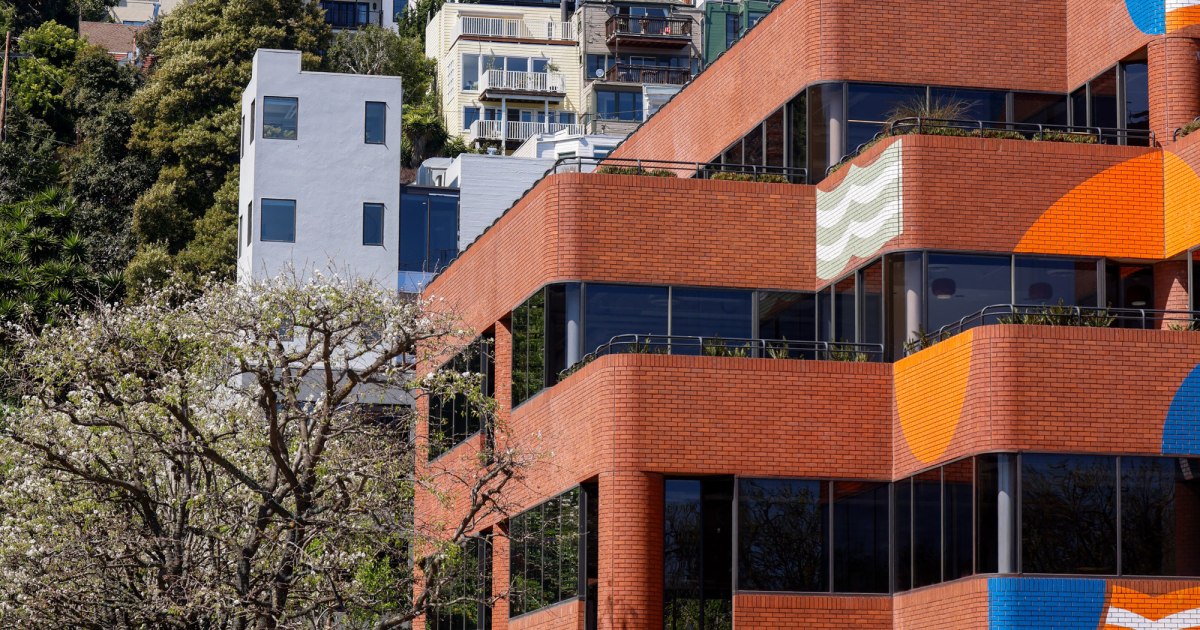
This report details the strategic initiative by real estate investor Jamestown to transform San Francisco's North Waterfront into a thriving ecosystem for Artificial Intelligence (AI) companies. Jamestown, which owns 40% of office properties in the area between Fisherman's Wharf and the Ferry Building, is actively...
One peek inside Salient’s new San Francisco office, and it’s clear they got the keys to the place this week. Office chairs, just unwrapped, are strewn around, and desks are unconstructed. Yet Ari Malik can’t wait to fire up the monitors. The founder of the fledgling company, which creates AI agents for lenders, has already lost time relocating from Los Angeles.
But it was imperative that the startup — which went through Y Combinator in 2023 — return to San Francisco.“We had no choice but to come back,” Malik said. “The density of qualified talent here is unmatched.” Malik has a mandate from investors to double the size of his team of around 20 engineers in the next six months, in order to meet customer demand.
In choosing a spot for its San Francisco homecoming, Malik didn’t look to a conventional tech haven like a Hayes Valley hacker house or a SoMa coworking space. Instead, the team opted to make the scenic and serene North Waterfront — decidedly removed from downtown’s chaos — their home.Ari Malik and his dog, Dante, at their new San Francisco office.
| Source: Thomas Sawano/The StandardSource: Thomas Sawano/The StandardSource: Thomas Sawano/The Standard“There’s an ecosystem building here we felt like we needed to be closer to,” Malik said, referencing the proximity to Jackson Square, which is home to multibillion-dollar company Cohere and Jony Ive’s AI device startup, acquired in May by OpenAI for $6.
5 billion. “It felt like downtown is in a bit of a hollowing-out phase,” he said. They’re not alone in migrating north. According to Alex Schwiebert of Jamestown, the Atlanta-based real estate investor that owns 40% of the office properties in the waterfront stretch between Fisherman’s Wharf and the Ferry Building, six other AI companies have signed office leases in the area.
Seven more deals are pending. Jamestown’s quest to dominate the waterfront kicked off in 2013, when it acquired a portion of Ghirardelli Square for $56 million. One year later, the firm paid $88 million for two office buildings, known as Waterfront Plaza, at 50 Francisco St. and 1700 Montgomery. Then, it took its biggest bite yet, dropping $820 million at the top of the market on Levi’s Plaza in 2019.
The centerpiece of its office holdings in the neighborhood is Levi’s Plaza, the grassy campus that has served as the headquarters for the denim company for more than 40 years. Snap Inc. moved into the 900,000-square-foot property two years ago. Between the social media company and the new AI tenants, Jamestown is aiming to compile a “tech and innovation campus” that will rival the best of the Bay Area’s office market.
Source: Morgan Ellis/The StandardSource: Morgan Ellis/The StandardSource: Morgan Ellis/The StandardSchwiebert said the landlord’s intent is to link Waterfront Plaza and Levi’s Plaza to create a “center of gravity” for the neighborhood. Other startups that have signed leases this year include AI research lab Goodfire, AI inspection company Overview.
AI, and sales automation company Zams. “We think we can turn this place into a destination, regardless of where companies are on their journey,” Schwiebert said. “Waterfront Plaza is perfect for starting out, and Levi’s Plaza is for the big users.” Jamestown buys and renovates real estate, rather than building its own.
Its previous projects include One Times Square and Chelsea Market in New York. The firm was also hired by Google in 2023 to curate programming ahead of its redevelopment of downtown San Jose. With office vacancy rates in the North Waterfront mirroring those of the rest of the city — at 34.7%, per Cushman & Wakefield — kickstarting office leasing after the pandemic meant renovating 40-year-old facilities, refreshing retail offerings, and scaling up perks for new tenants.
Source: Morgan Ellis/The StandardSource: Morgan Ellis/The StandardSource: Morgan Ellis/The StandardSource: Morgan Ellis/The StandardCurrently, Jamestown brings food trucks to Levi’s Plaza four days a week, runs a shuttle service to BART to connect the neighborhood to downtown, and funds programming like a rooftop Blue Angels watch party and outdoor concerts.
“We initially got a bunch of confused looks when we told people we were coming here,” said Prady Modukuru, CEO of Sync Labs, which moved into a fully furnished, 5,400-square-foot office at Waterfront Plaza last year. “But we’ve found [the North Waterfront] is actually the best place to work on deep AI research.
It’s beautiful, peaceful, and quiet. You can’t help but feel inspired.” Modukuru’s AI company — which allows editors to translate audio into various languages — went viral in 2023 for producing a video of Mark Zuckerberg and Lex Fridman talking about Elon Musk in Hindi. Although Sync Labs’ customers are mostly in Los Angeles and New York, Modukuru said the proximity to engineering talent and venture capital funding makes it critical to be based in San Francisco.
“If you want to push the frontier, you have to be around other people who are doing the same,” Modukuru said. Less than a mile from his office, Anysphere Inc. — developer of the popular AI code editor Cursor, which recently surpassed $500 million in annualized revenue — is valued at $20 billion. Sync Labs co-founder and CEO Prady Modukuru.
| Source: Thomas Sawano/The StandardStill, the North Waterfront needs more work before it can become the new SoMa for startups, and there’s only so much food trucks and nice views can do. There is a lack of restaurants in the immediate area, meaning the workers at Salient and Sync tend to order through Uber Eats or DoorDash.
There aren’t many bars at which to enjoy happy hour — one exception being the recently reopened Grumpy’s. For now, Schwiebert is focused on bringing in the people. In the elevators of Jamestown’s office properties are plaques that read “Refer a tenant and we’ll throw you an office party.” “Get them to do a whole floor,” he added, “and I’ll throw in a DJ.
”
Source coverage
News Provider: The San Francisco Standard
Author: knguyensfstandard.com
Deeper analysis
Full source content
One peek inside Salient’s new San Francisco office, and it’s clear they got the keys to the place this week. Office chairs, just unwrapped, are strewn around, and desks are unconstructed. Yet Ari Malik can’t wait to fire up the monitors. The founder of the fledgling company, which creates AI agents for lenders, has already lost time relocating from Los Angeles.
But it was imperative that the startup — which went through Y Combinator in 2023 — return to San Francisco.“We had no choice but to come back,” Malik said. “The density of qualified talent here is unmatched.” Malik has a mandate from investors to double the size of his team of around 20 engineers in the next six months, in order to meet customer demand.
In choosing a spot for its San Francisco homecoming, Malik didn’t look to a conventional tech haven like a Hayes Valley hacker house or a SoMa coworking space. Instead, the team opted to make the scenic and serene North Waterfront — decidedly removed from downtown’s chaos — their home.Ari Malik and his dog, Dante, at their new San Francisco office.
| Source: Thomas Sawano/The StandardSource: Thomas Sawano/The StandardSource: Thomas Sawano/The Standard“There’s an ecosystem building here we felt like we needed to be closer to,” Malik said, referencing the proximity to Jackson Square, which is home to multibillion-dollar company Cohere and Jony Ive’s AI device startup, acquired in May by OpenAI for $6.
5 billion. “It felt like downtown is in a bit of a hollowing-out phase,” he said. They’re not alone in migrating north. According to Alex Schwiebert of Jamestown, the Atlanta-based real estate investor that owns 40% of the office properties in the waterfront stretch between Fisherman’s Wharf and the Ferry Building, six other AI companies have signed office leases in the area.
Seven more deals are pending. Jamestown’s quest to dominate the waterfront kicked off in 2013, when it acquired a portion of Ghirardelli Square for $56 million. One year later, the firm paid $88 million for two office buildings, known as Waterfront Plaza, at 50 Francisco St. and 1700 Montgomery. Then, it took its biggest bite yet, dropping $820 million at the top of the market on Levi’s Plaza in 2019.
The centerpiece of its office holdings in the neighborhood is Levi’s Plaza, the grassy campus that has served as the headquarters for the denim company for more than 40 years. Snap Inc. moved into the 900,000-square-foot property two years ago. Between the social media company and the new AI tenants, Jamestown is aiming to compile a “tech and innovation campus” that will rival the best of the Bay Area’s office market.
Source: Morgan Ellis/The StandardSource: Morgan Ellis/The StandardSource: Morgan Ellis/The StandardSchwiebert said the landlord’s intent is to link Waterfront Plaza and Levi’s Plaza to create a “center of gravity” for the neighborhood. Other startups that have signed leases this year include AI research lab Goodfire, AI inspection company Overview.
AI, and sales automation company Zams. “We think we can turn this place into a destination, regardless of where companies are on their journey,” Schwiebert said. “Waterfront Plaza is perfect for starting out, and Levi’s Plaza is for the big users.” Jamestown buys and renovates real estate, rather than building its own.
Its previous projects include One Times Square and Chelsea Market in New York. The firm was also hired by Google in 2023 to curate programming ahead of its redevelopment of downtown San Jose. With office vacancy rates in the North Waterfront mirroring those of the rest of the city — at 34.7%, per Cushman & Wakefield — kickstarting office leasing after the pandemic meant renovating 40-year-old facilities, refreshing retail offerings, and scaling up perks for new tenants.
Source: Morgan Ellis/The StandardSource: Morgan Ellis/The StandardSource: Morgan Ellis/The StandardSource: Morgan Ellis/The StandardCurrently, Jamestown brings food trucks to Levi’s Plaza four days a week, runs a shuttle service to BART to connect the neighborhood to downtown, and funds programming like a rooftop Blue Angels watch party and outdoor concerts.
“We initially got a bunch of confused looks when we told people we were coming here,” said Prady Modukuru, CEO of Sync Labs, which moved into a fully furnished, 5,400-square-foot office at Waterfront Plaza last year. “But we’ve found [the North Waterfront] is actually the best place to work on deep AI research.
It’s beautiful, peaceful, and quiet. You can’t help but feel inspired.” Modukuru’s AI company — which allows editors to translate audio into various languages — went viral in 2023 for producing a video of Mark Zuckerberg and Lex Fridman talking about Elon Musk in Hindi. Although Sync Labs’ customers are mostly in Los Angeles and New York, Modukuru said the proximity to engineering talent and venture capital funding makes it critical to be based in San Francisco.
“If you want to push the frontier, you have to be around other people who are doing the same,” Modukuru said. Less than a mile from his office, Anysphere Inc. — developer of the popular AI code editor Cursor, which recently surpassed $500 million in annualized revenue — is valued at $20 billion. Sync Labs co-founder and CEO Prady Modukuru.
| Source: Thomas Sawano/The StandardStill, the North Waterfront needs more work before it can become the new SoMa for startups, and there’s only so much food trucks and nice views can do. There is a lack of restaurants in the immediate area, meaning the workers at Salient and Sync tend to order through Uber Eats or DoorDash.
There aren’t many bars at which to enjoy happy hour — one exception being the recently reopened Grumpy’s. For now, Schwiebert is focused on bringing in the people. In the elevators of Jamestown’s office properties are plaques that read “Refer a tenant and we’ll throw you an office party.” “Get them to do a whole floor,” he added, “and I’ll throw in a DJ.
”
How this page is built
Goose Pod turns cited reporting into a public episode summary first, then pairs that summary with audio playback so listeners can check the source material before they decide how deeply to engage.
The goal is to make this page useful as a news landing page first, while still giving listeners transcript access, related episodes, and direct links back to the original publishers.