What happened
英国高等法院驳回Getty Images对Stability AI的版权诉讼,认为AI模型训练不构成侵权。此判决引发AI与创意产业的争议。Perplexity主动与Getty合作,寻求合规模式。此案凸显技术发展与知识产权保护的平衡挑战,预示未来AI授权合作将更规范。
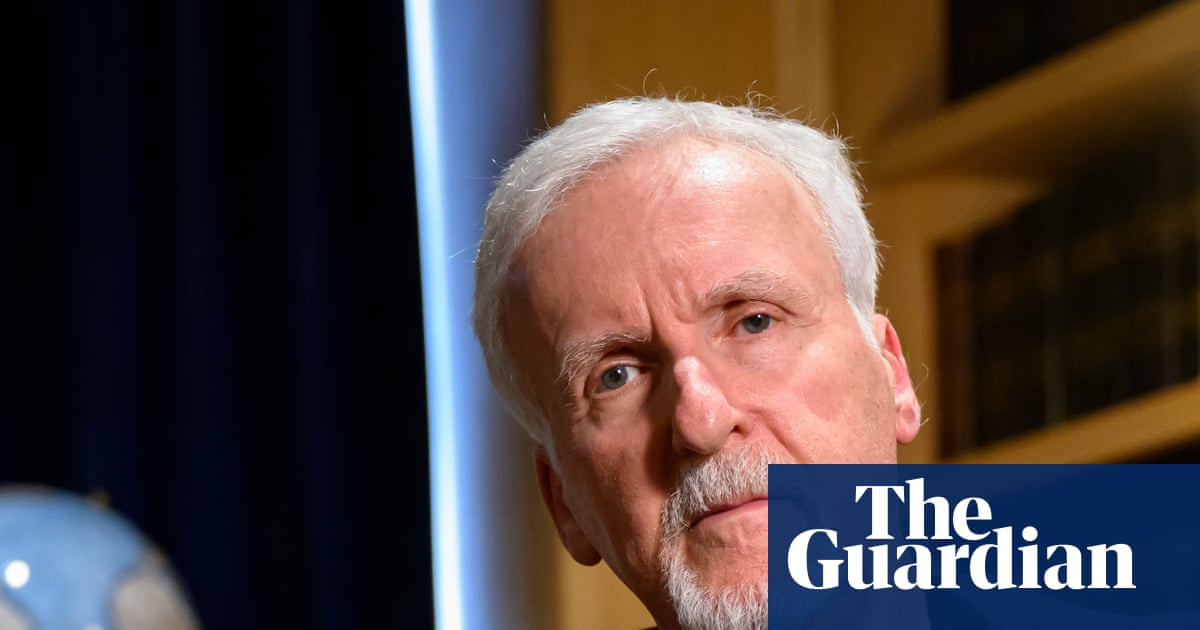
A London-based artificial intelligence firm has won a landmark high court case examining the legality of AI models using vast troves of copyrighted data without permission.Stability AI, whose directors include the Oscar-winning film-maker behind Avatar, James Cameron, successfully resisted a claim from Getty Images that it had infringed the international photo agency’s copyright.
The ruling is seen as a blow to copyright owners’ exclusive right to reap the rewards of their work, with one senior lawyer, Rebecca Newman, a legal director at Addleshaw Goddard, warning it means “the UK’s secondary copyright regime is not strong enough to protect its creators”.There was evidence that Getty’s images were used to train Stability’s model, which allows users to generate images with text prompts.
Stability was also found to have infringed Getty’s trademarks in some cases.The judge, Mrs Justice Joanna Smith, said the question of where to strike the balance between the interests of the creative industries on one side and the AI industry on the other was “of very real societal importance”. But she was only able to rule on relatively narrow claims after Getty had to withdraw parts of its case during the trial this summer.
Getty Images sued Stability AI for infringement of its intellectual property, alleging the AI company was “completely indifferent to what they fed into the training data” and scraped and copied millions of its images.The judgment comes amid a row over how the Labour government should legislate on the issue of copyright and AI, with artists and authors including Elton John, Kate Bush, Dua Lipa and Kazuo Ishiguro lobbying for protection.
Meanwhile, tech companies are calling for wide access to copyrighted content to allow them to build the most powerful and effective generative AI systems.The government is consulting on copyright and AI and has said: “Uncertainty over how our copyright framework operates is holding back growth for our AI and creative industries.
That cannot continue.”It is looking at whether to introduce a “text and data mining exception” into UK copyright law, which would allow copyright works to be used to train AI models in the UK unless the rights holder opts their works out of such training, said lawyers at Mishcon de Reya who have been following the issue.
Getty had to drop its original copyright claim as there was no evidence the training took place in the UK. But it continued with its suit claiming Stability was still using within its systems copies of its visual assets, which it called the “lifeblood” of its business. It claimed Stability AI had infringed its trademarks because some AI-generated images included Getty watermarks, and that it was guilty of “passing off”.
In a sign of the complexity of AI copyright cases, it essentially argued that Stability’s image-generation model, called Stable Diffusion, amounted to an infringing copy because its making would have constituted copyright infringement had it been carried out in the UK.The judge ruled: “An AI model such as Stable Diffusion which does not store or reproduce any copyright works (and has never done so) is not an ‘infringing copy’.
” She declined to rule on the passing off claim and ruled in favour of some of Getty’s claims about trademark infringement related to watermarks.In a statement, Getty Images said: “We remain deeply concerned that even well-resourced companies such as Getty Images face significant challenges in protecting their creative works given the lack of transparency requirements.
We invested millions of pounds to reach this point with only one provider that we need to continue to pursue in another venue.“We urge governments, including the UK, to establish stronger transparency rules, which are essential to prevent costly legal battles and to allow creators to protect their rights.
”Christian Dowell, the general counsel for Stability AI, said: “We are pleased with the court’s ruling on the remaining claims in this case. Getty’s decision to voluntarily dismiss most of its copyright claims at the conclusion of trial testimony left only a subset of claims before the court, and this final ruling ultimately resolves the copyright concerns that were the core issue.
We are grateful for the time and effort the court has put forth to resolve the important questions in this case.”
Source coverage
Author: Robert Booth
Publication Date: November 4, 2025
Deeper analysis
Full source content
A London-based artificial intelligence firm has won a landmark high court case examining the legality of AI models using vast troves of copyrighted data without permission.Stability AI, whose directors include the Oscar-winning film-maker behind Avatar, James Cameron, successfully resisted a claim from Getty Images that it had infringed the international photo agency’s copyright.
The ruling is seen as a blow to copyright owners’ exclusive right to reap the rewards of their work, with one senior lawyer, Rebecca Newman, a legal director at Addleshaw Goddard, warning it means “the UK’s secondary copyright regime is not strong enough to protect its creators”.There was evidence that Getty’s images were used to train Stability’s model, which allows users to generate images with text prompts.
Stability was also found to have infringed Getty’s trademarks in some cases.The judge, Mrs Justice Joanna Smith, said the question of where to strike the balance between the interests of the creative industries on one side and the AI industry on the other was “of very real societal importance”. But she was only able to rule on relatively narrow claims after Getty had to withdraw parts of its case during the trial this summer.
Getty Images sued Stability AI for infringement of its intellectual property, alleging the AI company was “completely indifferent to what they fed into the training data” and scraped and copied millions of its images.The judgment comes amid a row over how the Labour government should legislate on the issue of copyright and AI, with artists and authors including Elton John, Kate Bush, Dua Lipa and Kazuo Ishiguro lobbying for protection.
Meanwhile, tech companies are calling for wide access to copyrighted content to allow them to build the most powerful and effective generative AI systems.The government is consulting on copyright and AI and has said: “Uncertainty over how our copyright framework operates is holding back growth for our AI and creative industries.
That cannot continue.”It is looking at whether to introduce a “text and data mining exception” into UK copyright law, which would allow copyright works to be used to train AI models in the UK unless the rights holder opts their works out of such training, said lawyers at Mishcon de Reya who have been following the issue.
Getty had to drop its original copyright claim as there was no evidence the training took place in the UK. But it continued with its suit claiming Stability was still using within its systems copies of its visual assets, which it called the “lifeblood” of its business. It claimed Stability AI had infringed its trademarks because some AI-generated images included Getty watermarks, and that it was guilty of “passing off”.
In a sign of the complexity of AI copyright cases, it essentially argued that Stability’s image-generation model, called Stable Diffusion, amounted to an infringing copy because its making would have constituted copyright infringement had it been carried out in the UK.The judge ruled: “An AI model such as Stable Diffusion which does not store or reproduce any copyright works (and has never done so) is not an ‘infringing copy’.
” She declined to rule on the passing off claim and ruled in favour of some of Getty’s claims about trademark infringement related to watermarks.In a statement, Getty Images said: “We remain deeply concerned that even well-resourced companies such as Getty Images face significant challenges in protecting their creative works given the lack of transparency requirements.
We invested millions of pounds to reach this point with only one provider that we need to continue to pursue in another venue.“We urge governments, including the UK, to establish stronger transparency rules, which are essential to prevent costly legal battles and to allow creators to protect their rights.
”Christian Dowell, the general counsel for Stability AI, said: “We are pleased with the court’s ruling on the remaining claims in this case. Getty’s decision to voluntarily dismiss most of its copyright claims at the conclusion of trial testimony left only a subset of claims before the court, and this final ruling ultimately resolves the copyright concerns that were the core issue.
We are grateful for the time and effort the court has put forth to resolve the important questions in this case.”
How this page is built
Goose Pod turns cited reporting into a public episode summary first, then pairs that summary with audio playback so listeners can check the source material before they decide how deeply to engage.
The goal is to make this page useful as a news landing page first, while still giving listeners transcript access, related episodes, and direct links back to the original publishers.